
Why preparation matters
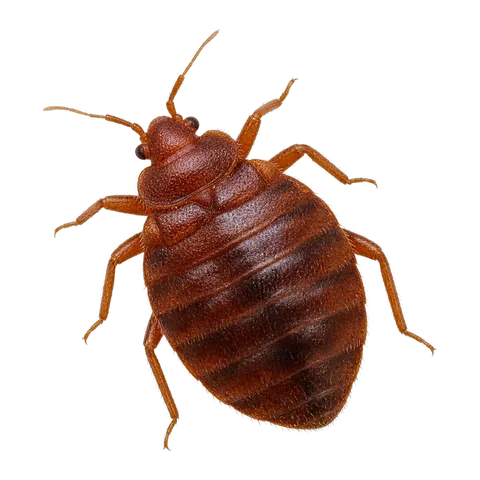
Bed bugs hide in seams, joints and cracks close to where people sleep or sit. A spray only works on the surfaces it touches, so the technician needs to reach the bed frame, mattress, headboard, skirting and nearby furniture without moving piles of belongings first.
Preparation also stops the bugs spreading. Carrying things from one room to another without bagging them is one of the main ways a problem in one bedroom becomes a problem in two.
Bedding and clothes
- Strip the bedding from affected beds and wash it at 60°C, or tumble-dry it on hot for 30 minutes.
- Wash or tumble-dry clothes stored under or near the bed, then keep them sealed in clean bags until the treatment is finished.
- Bag items in the room you take them from, tie the bags before you carry them through the house, and take them straight to the washing machine.
- Shoes, soft toys and bags that cannot be washed can often go in the tumble dryer on hot. Ask us about anything delicate.
Clearing the room
Clear the floor around the bed and along the skirting boards so the technician can reach the edges of the room. Empty the drawers of bedside tables and leave them open. Take down pictures and mirrors near the bed if you can do so easily.
Leave the furniture where it is. Do not take mattresses, sofas or bed frames out of the room or the house before the visit, as carrying them through the home can drop bugs and eggs on the way. If something is too damaged to keep, ask how to wrap it before it goes.
Vacuum the mattress seams, bed frame and floor, then put the vacuum contents in a sealed bag in the outside bin.
Things to avoid
- Shop-bought sprays and foggers. They can scatter bed bugs into new hiding places and make the professional treatment harder.
- Sleeping in another room or on the sofa. Bed bugs follow people, so moving can spread them. Sleeping in the treated bed draws them out across the treated surfaces.
- Throwing out the mattress. Most mattresses can be treated, and an encasement stops any survivors getting in or out.
- Bringing in a new bed or mattress before the treatment is finished.
On the day and after
Everyone, pets included, stays out of the treated rooms until the spray has dried, usually two to four hours. Cover fish tanks and switch off the pump.
You may still see a few bed bugs in the days after the first visit. Their eggs are hard to kill with spray, so we come back about two weeks later to treat the young bugs that have hatched since. For the first few days, avoid vacuuming or wiping the treated skirting and bed frame, and keep clothes bagged until after the second visit. Most homes are clear within three to four weeks of the first visit.
When to call a professional
If you have found live bed bugs, shed skins or small dark spots on the mattress, a professional treatment is the most reliable way to clear them, as home products rarely reach the eggs. If you are not sure the marks are bed bugs, send us a photo on WhatsApp.
We send a preparation sheet before the visit and can use heat treatment where it suits the room better. Quotes are free, there is no call-out charge, and if bed bugs come back within 90 days of the last treatment, the return visit is free. We can come in an unmarked van if you prefer.