
Pest control advice blog
Practical advice on spotting, preventing and dealing with pests in UK homes and businesses.
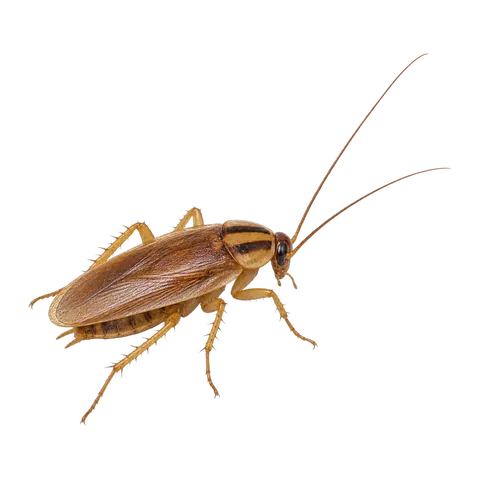
Dealing with cockroaches in flats
Cockroaches move between flats through shared pipes and ducts. How to tell which type you have, what to do first and why the whole building often needs treating.
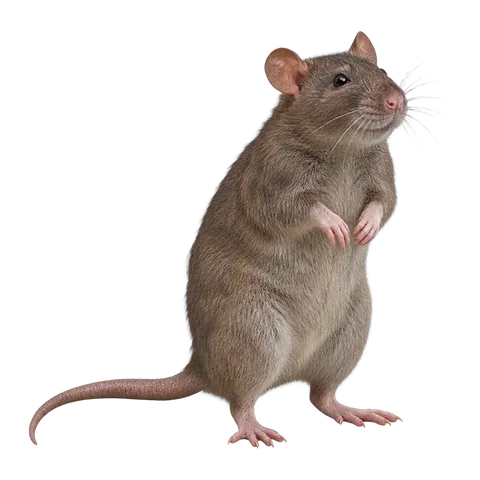
Rats or mice? How to tell which you have
Droppings, noises and damage tell you a lot about which rodent is in your home. The main differences between rats and mice, and what each means for treatment.
Pest control responsibilities for landlords in England
Pests can make a rented home unfit to live in. What the law in England expects, who usually pays for treatment and how to handle a tenant's report.
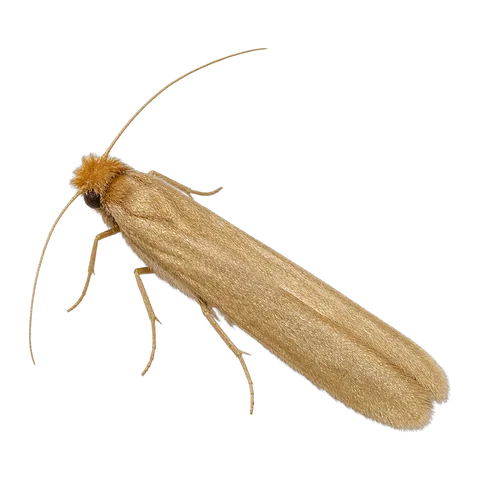
How to prevent clothes moths in wardrobes and drawers
Moth larvae feed on natural fibres in dark, undisturbed places. How to spot the signs early, clean and store clothes safely, and when traps are worth using.

Signs of squirrels in the loft
Grey squirrels often move into lofts in autumn and winter. How to recognise the signs, the damage they can do and why sealing them in is a mistake.
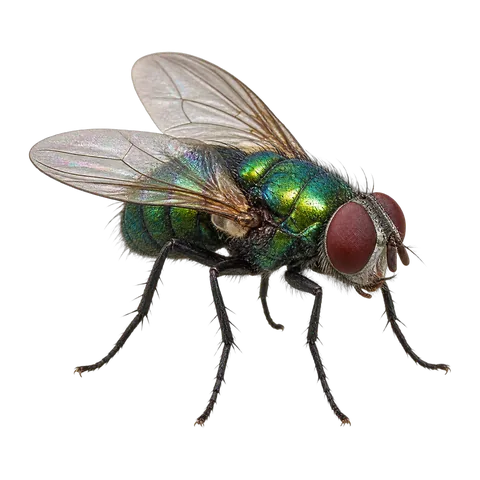
Pest control for food businesses: what an EHO expects
Food hygiene law requires food businesses to keep pests out. What an environmental health officer expects to see at inspection and how to keep good records.
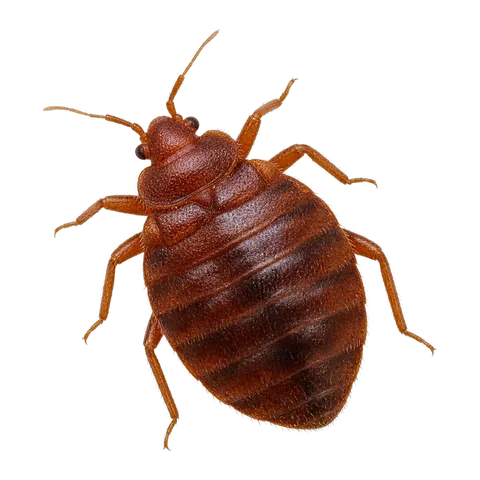
Bed bugs after travel: checking hotels and luggage
Bed bugs travel in luggage and clothing. How to check a hotel room, where to keep your bags and how to unpack at home to lower the risk of bringing them back.
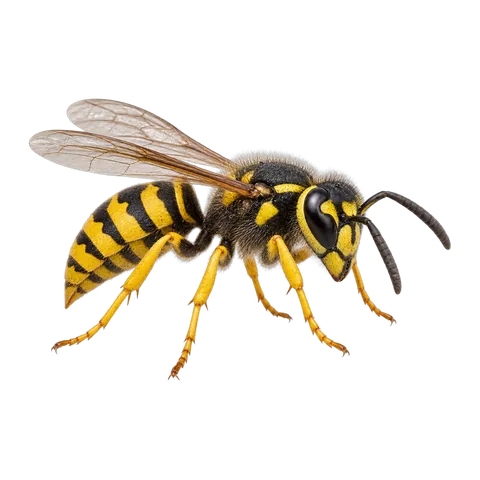
What to do about a wasp nest
A wasp nest near the house can be left in some cases and needs treating in others. How to identify it, stay safe and decide what to do.
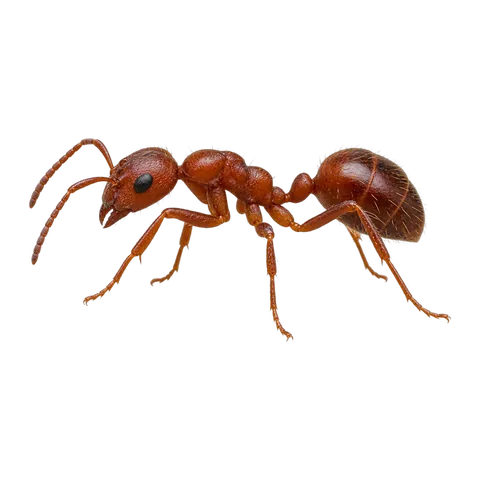
Flying ant day: what it is and what to do
Swarms of winged ants in summer are part of the black garden ant's life cycle. Why it happens, why it is usually harmless and the few cases where you should act.
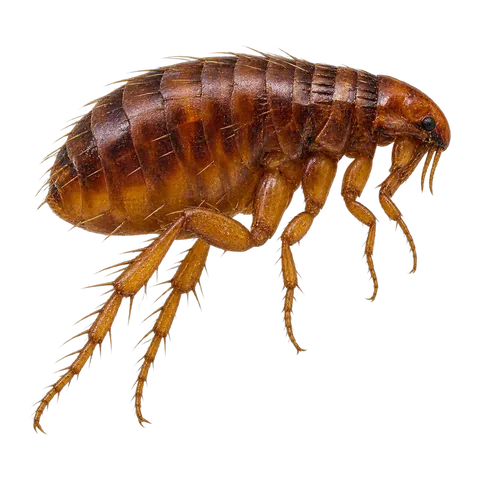
How to prepare your home for flea treatment
A flea treatment works best on clear, freshly vacuumed floors and treated pets. What to do the day before, on the day and in the two weeks after.
Pest checks to make when buying or renting a home
A viewing is a good time to look for signs of pests. Where to check in the loft, kitchen, garden and bedrooms, and what to ask before you sign.
Pest control and pets: keeping animals safe during treatment
Most treatments are safe for pets once surfaces are dry or bait is out of reach. What to tell us when you book and how to plan for each kind of animal.
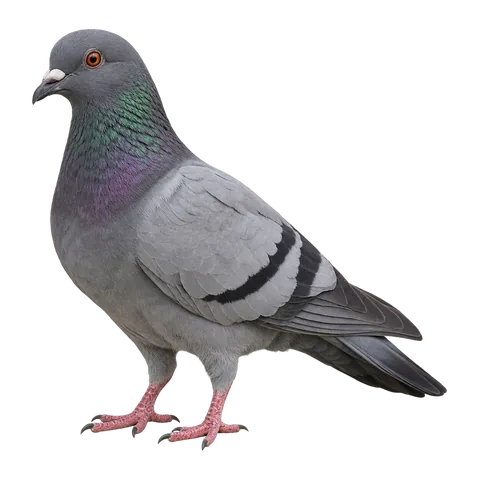
Pigeons on balconies: how to stop them nesting
Pigeons nest on balconies because they are sheltered and high up. How to clear droppings safely, what the law allows with nests and the proofing that works.
How to prepare for a bed bug treatment
Good preparation lets a bed bug treatment reach every hiding place. What to wash and bag, what to leave where it is, and what to expect after each visit.
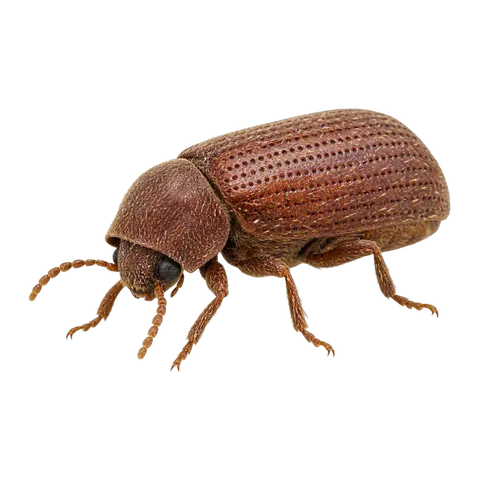
Is my woodworm active? How to tell old holes from new
Many homes have old woodworm holes that need no treatment. How to spot fresh holes and frass, when the beetles emerge and how damp affects the timber.
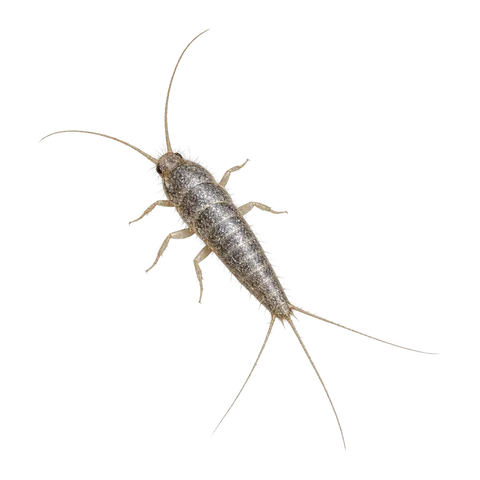
Silverfish in bathrooms: why they appear and how to get rid of them
Silverfish point to damp more than dirt. How to identify them, where they hide in a bathroom and how drier air and sealed gaps keep the numbers down.
A pest-proofing checklist for your home
Most pests get in through a handful of gaps. A checklist to work through outside, in the drains, inside the home and in the garden, with materials that last.
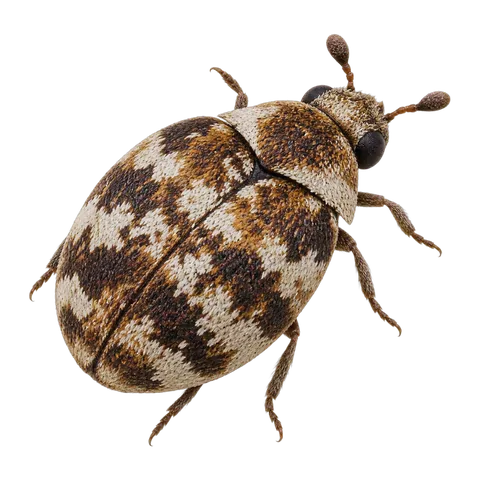
Carpet beetles or clothes moths? How to tell the difference
Both pests eat wool and other natural fibres and hide in the same places. The signs that tell you which one you have and why it matters for treatment.
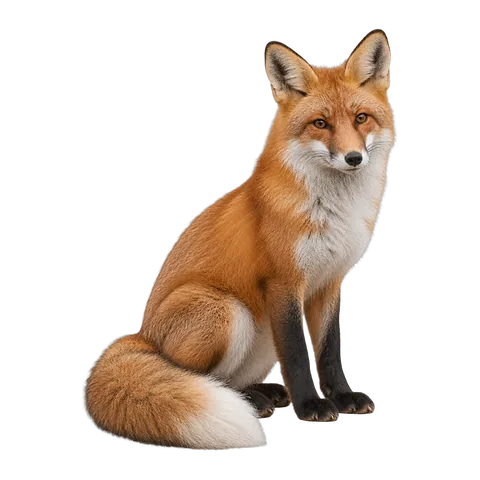
Foxes in the garden: what to do and what the law allows
Foxes are common in towns and gardens. How to tell if one is living nearby, how to handle a den with cubs and the changes that make a garden less inviting.
Pest control for holiday lets and Airbnb hosts
A holiday let changes hands every few days, which brings its own pest risks. The checks to build into changeovers and what to do when a guest reports a problem.
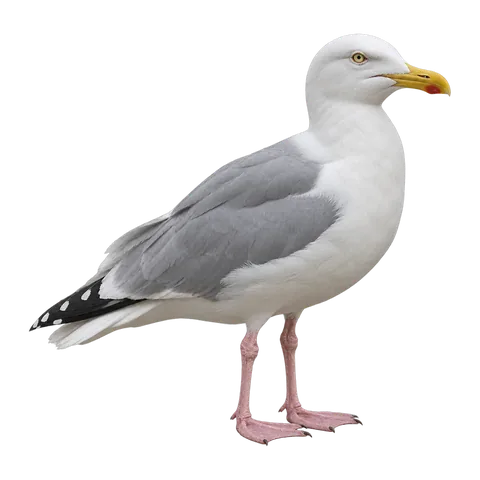
Gulls nesting on your roof
Herring gulls and lesser black-backed gulls nest on roofs in towns and on the coast. Why an active nest has to be left alone and how to plan proofing for next year.
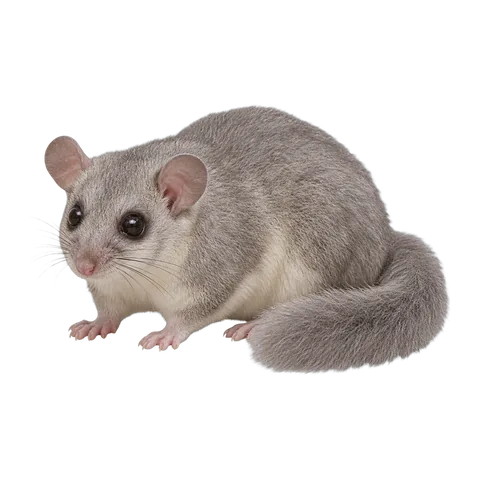
Glis glis in the loft
Glis glis wake from hibernation in early summer and many move into lofts. How to tell them from rats and squirrels, what the law allows and how to keep them out next year.
Ants in the kitchen: why they come in and how to stop them
Ants in the kitchen are usually garden ants following a scent trail to food. How to tell them apart from Pharaoh ants, how to break the trail and how bait reaches the nest.
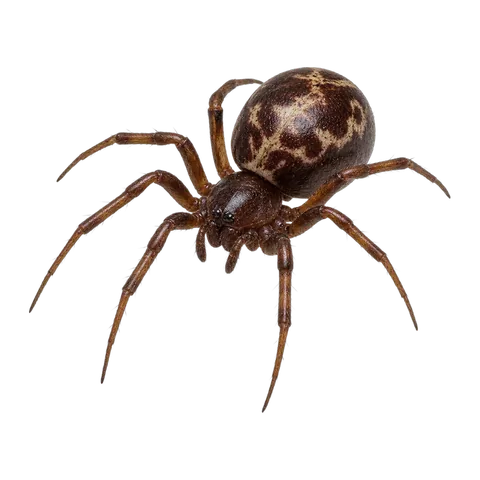
Spider bites in the UK: what to know
Spider bites in the UK are uncommon and usually mild. The few species that can bite, what to do after a bite and how to tell whether another pest is the cause.
Keeping pests out of commercial bins and bin stores
A business's bin store is often where its pest problem starts. The layout, cleaning and collection habits that keep rats, flies and gulls away from your waste.
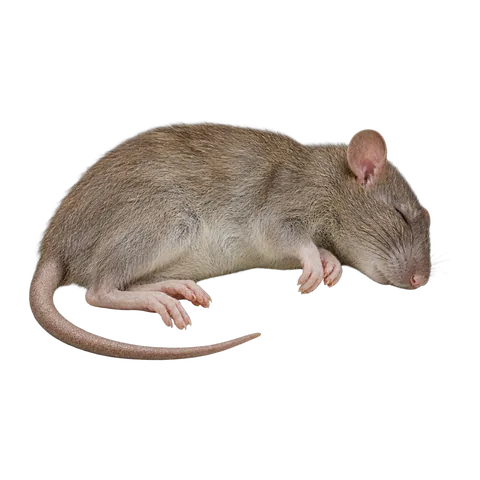
A dead animal smell under the floor or in the walls
A smell of rotting meat in one room usually means an animal has died in a void nearby. How to narrow down where it is, when to wait it out and why the cause matters as much as the smell.
How rats get into homes through the drains
Rats live in sewers and follow broken or disused pipes into homes. The signs that drains are the route and what fixes it for good.
Rats and mice in cars and garages
A parked car and a cluttered garage give rats and mice shelter close to the house. The signs of rodents under the bonnet and the steps that make a garage less useful to them.
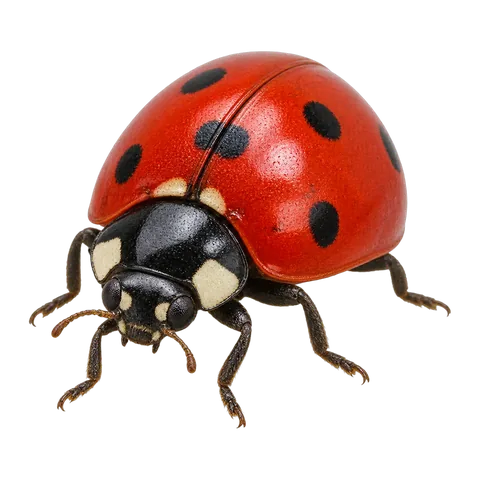
Ladybird clusters in autumn and early spring
Harlequin ladybirds gather in homes in October to spend the winter, then wake and wander indoors as spring arrives. How to tell them from native ladybirds and what to do about a cluster.
A spring pest checklist for your home and garden
What to check in March and April, from the loft to the shed, so small problems are dealt with before the busy season starts.
Booklice in a new home: why they appear and how to clear them
Booklice feed on microscopic mould, and new homes give them plenty while plaster and screed dry out. How to identify them and make the house less suitable.
Woodlice indoors: what they tell you about damp
Woodlice do not breed well indoors and do no harm, but they gather where there is damp. Finding the cause matters more than killing them.
A rat in the toilet: what to do and how it got there
A rat in the toilet is rare, but it does happen. The steps to take straight away and how to find and close the route it used.
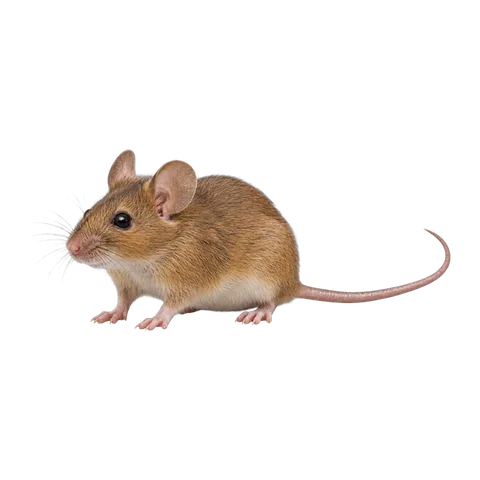
Pests in a rented home: what tenants can ask a landlord
A general guide for tenants: how to report pests, what a landlord is usually expected to deal with, and what to do if nothing happens.
Bed bugs in student halls and shared houses
Bed bugs spread easily in halls and student houses, especially after the holidays. How to spot them early and stop them travelling with you.
Pantry moths in the kitchen: how to find the source and clear it
Pantry moths breed in stored dry food. Find the source, throw it out, clean the cupboard and move food into sealed containers.
Grey squirrels in winter: lofts, noise and the breeding season
Squirrels do not hibernate. In winter they look for warm, dry places to nest, and a loft suits them well. Signs, risks and how to deal with them within the law.
Cluster flies in winter: why they gather in lofts and upstairs rooms
Cluster flies spend the winter in lofts and wall spaces. They do not breed indoors, but they often come back to the same house each year. What helps.
Mice behind kitchen units: how to find and close their routes
Kitchen units hide a long, warm void with food and water close by. How to look behind the plinth, clear out nests and close the gaps.
Insects on a real Christmas tree: what they are and what to do
A real tree can bring aphids, mites and small spiders indoors. They do not settle in the house and die off quickly. How to check a tree, and the decoration boxes from the loft.
Rats in winter: why they move closer to your home
Rats stay active all winter and move towards sheds, decking and houses as food gets scarce. What draws them in and what you can do about it.
Birds and squirrels in chimneys: what to do before you light a fire
Nests and trapped animals in a chimney are a fire and fume risk. How to check before the first fire of winter and how to keep birds and squirrels out.
Tapping in the timbers: is it deathwatch beetle?
The tapping of deathwatch beetle is a mating call made in spring. How to tell it from other household noises, what the holes and dust look like, and why winter is a good time for a survey.
Plaster beetles in new builds
New homes hold a lot of water in their plaster and screed. Plaster beetles feed on the mould that grows while it dries, and they go once the house is dry.
Rats and mice in garden sheds
A shed full of seed, cushions and old sacks is an easy winter home for rodents. How to check yours, store things safely and close the gaps underneath.
Rats and compost bins: how to compost without feeding them
A warm, quiet compost heap is a good home for a rat. Small changes to what goes in and how the bin sits on the ground make a big difference.
Mice moving indoors in autumn: the first signs and what to do
The first mouse of the autumn is the easiest to deal with. Where they go when they first come in, how to find them and how to act in the first fortnight.
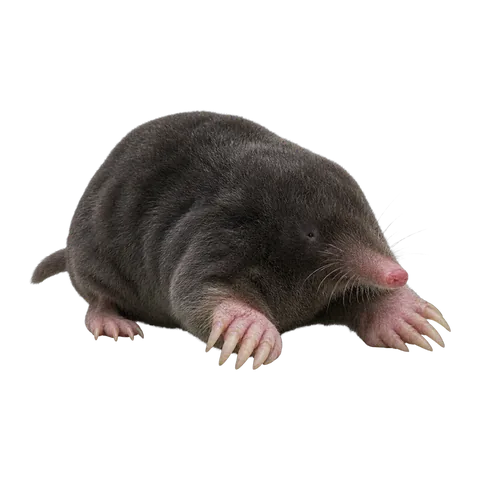
Why molehills appear in autumn
Autumn rain softens the soil and moles get busy. What the new hills mean, how to tidy the lawn and how to decide whether the mole needs to go.
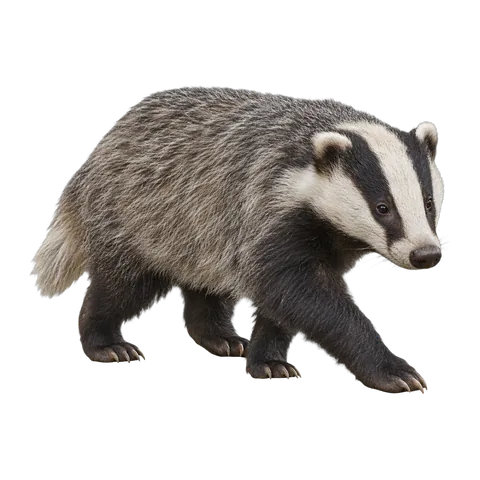
Leatherjackets in lawns: what autumn crane flies leave behind
Swarms of crane flies over the grass in September often lead to brown lawn patches the following spring. How to check for the grubs and act at the right time.
Bird mites after nesting: why they appear and how to stop them
When young birds leave a nest in the eaves, the mites that fed on them go looking for a new host. How to tell bird mites from other biting pests and how to clear the source.
How to get rid of fruit flies
Fruit flies peak in late summer and early autumn. The places they breed, a trap you can make in a minute and the cleaning that ends the cycle.
False widow spiders: facts behind the headlines
Autumn is when false widow stories reach the news. What is known about these spiders, why sightings rise in September and October, and what helps around the home.
Why wasps get worse in late summer
Late summer is when wasp nests are at their largest and workers turn to sweet food. What changes in the colony, how to eat outside with fewer wasps and when a nest needs treating.
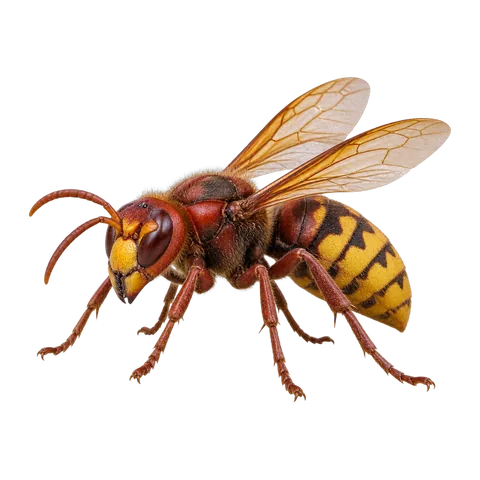
How to report an Asian hornet sighting in the UK
Late summer is when Asian hornet nests are at their largest. How to make a useful report, what to leave alone and what happens next.
A wasp nest in the ground: lawns, banks and flower beds
Ground nests are easy to miss until someone mows over one. How to spot a ground nest, keep people safe and get it dealt with.
Birds in warehouses: problems and solutions
Birds that roost in racking and roof steelwork foul stock, floors and vehicles. What the law allows and how warehouses keep them out.
Bed bug checks for hotel housekeeping teams
Short checks at each room change find bed bugs before they spread. What housekeeping should look at, and the steps to take if they find something.
Preventing pests in care homes
Care home residents are more vulnerable to the germs pests carry. Everyday routines that keep pests out, and what to do when staff spot signs.
Pest checks to make during the school summer holidays
An empty school is a good time to find and fix pest problems. What to check over the summer, and when to book work before term.
How pests affect your food hygiene rating
Signs of pests are one of the quickest ways to lose points at a food hygiene inspection. What officers look for and how to prepare.
A pest inspection checklist for restaurants
A short routine of daily, weekly and monthly checks helps a kitchen spot pests early and shows inspectors that controls are in place.
Pest control tips for offices
Most office pest problems start in the staff kitchen or under desks. Habits and checks that keep mice, ants and flies away.
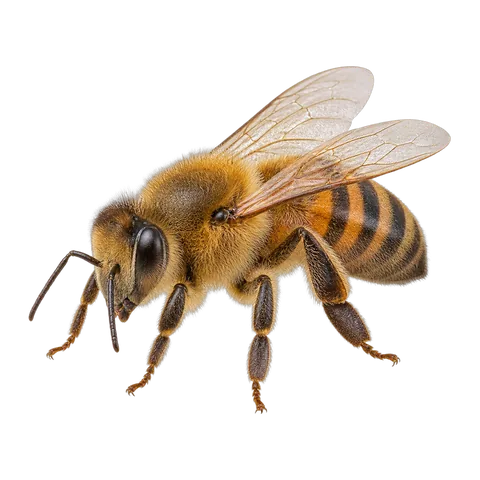
A bumblebee nest in the garden: what to do
Bumblebee nests are small, short-lived and rarely cause trouble. How to work around one in the garden until the colony ends.
Masonry bees in brickwork: protecting the wall and the bees
Masonry bees use soft mortar in sunny walls. How to repair the brickwork over time without trapping the young bees inside.
A honey bee swarm has landed: what to do
Swarms are common in early summer and the bees are usually calm. What to do straight away, and how to get the swarm collected by a beekeeper.
No articles on this topic yet.
Get a free quote
Free quote, no call-out charge. Lines open 7am to 10pm, 7 days a week.