
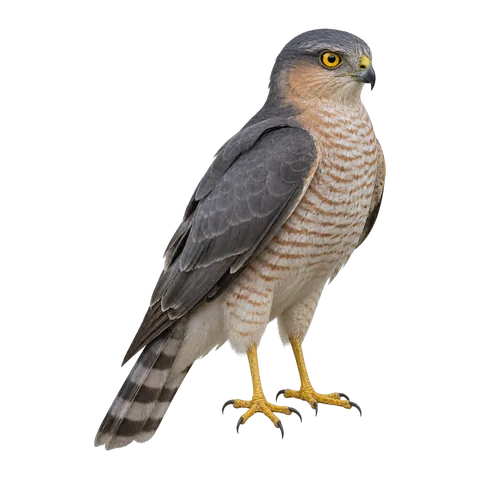
Hawk and falcon flying to deter birds
A trained hawk or falcon flown over a site on a regular schedule makes gulls and pigeons treat it as unsafe, and they move away. It suits large sites where netting is not practical.
Signs of bird of prey
- Gulls or pigeons gathering in large numbers on open roofs, playing fields or yards.
- Birds snatching food from staff, pupils or customers outdoors.
- A site too large or open for netting or spikes.
- Droppings on vehicles, walkways or stock.
How we treat bird of prey
Site survey
We note which birds use the site, when they arrive and where they roost.
Flying visits
A handler flies a Harris hawk or falcon over the site at the times birds gather.
Regular programme
Visits continue over several weeks until the birds learn the site is unsafe, then drop to a lower maintenance level.
What the visit includes
- Site survey
- First flying visit with handler and bird
- Visit log after each flight
- Programme plan and quote for regular visits
Stop them coming back
- Clear food waste from outdoor areas and keep bins closed.
- Ask staff and pupils not to feed birds.
- Combine flying with netting or spikes on ledges where birds nest.
The bird is flown to scare other birds away, and the handler keeps it under control throughout. We agree flight areas with you and keep the public at a safe distance.
Why deal with bird of prey quickly
- Gulls and pigeons that use a site every year come back each season unless they learn it is unsafe.
- Flights need to start before the nesting season, as active nests cannot be disturbed once eggs are laid.
- Droppings and nesting debris on large roofs and open sites cost more to clear the longer the birds stay.
Bird of prey deterrence for businesses
Flights suit landfill sites, ports, stadiums, retail parks, factories and hospitals where netting is not practical. We agree a flight schedule with you, fly at times that suit the site and keep a log of each visit.
Questions about bird of prey deterrence
Will the hawk kill the gulls or pigeons?
The aim is to move birds on. The handler flies the hawk so that the flock leaves, and catching birds is not the purpose.
How long before I see results?
Most sites see fewer birds within a few weeks of regular visits. Birds come back if visits stop too soon.
Is it safe around people?
Yes. The birds are trained and flown under a handler's control, and we agree times and areas before the first flight.
Related services
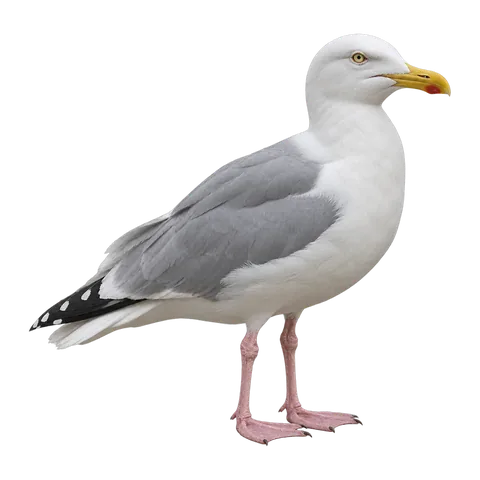
Seagull proofing
Gulls nest on roofs and chimneys from spring and become loud and defensive. We fit netting, spikes and wires before the season so they nest elsewhere.
See treatment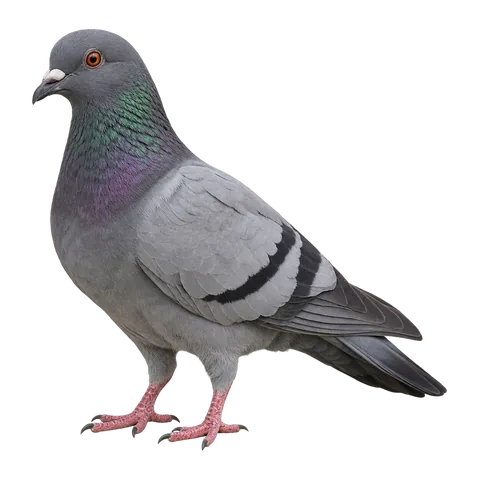
Pigeon proofing
We keep pigeons off roofs, ledges and balconies with netting, spikes and wire systems, and clear away nesting debris and droppings.
See treatmentSolar panel bird proofing
Pigeons nest under solar panels, where droppings and nesting material pile up. We clear the space out and fit a mesh skirt that keeps birds from getting back underneath.
See treatmentWhat to do next
Get in touch
Call 07417 552257, WhatsApp a photo to 07466 976020 or fill in the form below.
Agree a price and a time
We confirm a fixed price and the first free slot, often the same day or the next.
We treat and follow up
A technician treats, proofs and comes back to check. You get written notes after each visit.
Get a quote for bird of prey deterrence
Tell us what you need and where. We call back with a price and the first free slot.
- Phone07417 552257
- WhatsApp07466 976020. Send photos for a faster price.
- Emailenquiries@envexa.example
- Phone lines7am to 10pm, 7 days a week
- Visits7am to 8pm, 7 days a week