
Seagull proofing for roofs and chimneys
Gulls nest on roofs and chimneys from spring and become loud and defensive. We fit netting, spikes and wires before the season so they nest elsewhere.
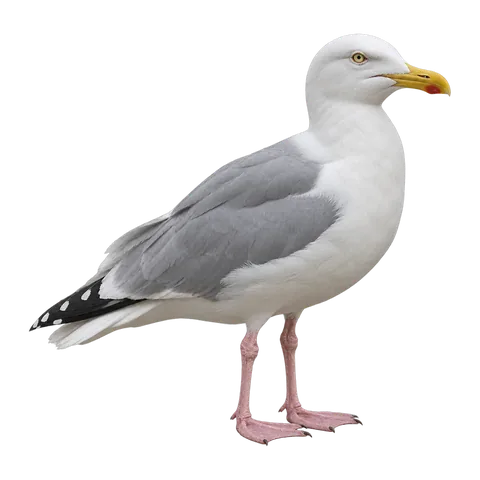
Signs of seagulls
- Gulls landing on your roof or chimney in early spring, often in pairs.
- Nesting material on flat roofs, in roof valleys or behind chimney stacks.
- Gulls swooping at people near the house in summer.
- Droppings on roofs, cars and windows, and blocked gutters.
How we treat seagulls
Roof survey
We check valleys, chimney stacks and flat roofs, and whether any nests are in use.
Clear old nests
Outside the nesting season, we remove old nests and debris.
Proof
We fit netting, spikes or post-and-wire systems so gulls cannot land or nest.
What the visit includes
- Roof survey
- Removal of old, unused nests
- Proofing of one chimney stack or roof section
- Advice on timing for the rest of the roof
Stop them coming back
- Book proofing in autumn or winter, before gulls come back to nest.
- Never feed gulls, and keep food waste in closed bins.
- Keep flat roofs clear of debris that gulls use for nests.
All wild birds, gulls included, are protected under the Wildlife and Countryside Act 1981, and the herring gull is a red-listed species. We use proofing and deterrence only and never touch active nests, eggs or chicks.
Why deal with seagulls quickly
- Gulls start nesting on roofs and chimneys in spring, and once eggs are laid the nest cannot be touched until the chicks have fledged.
- Nesting gulls are loud from early morning and dive at people who come near the nest.
- Nests and droppings block gutters and drains and foul roofs, cars and seating areas.
Seagull proofing for businesses
Gulls are a common problem for seaside hotels, cafes, schools, factories and retail parks. We fit proofing in autumn and winter before the nesting season, survey roofs on a set plan and keep a written record of each visit.
More on seagulls
Seagulls near you
Questions about seagull proofing
Can you remove a nest with chicks in it?
No. Active nests are protected by law. We can proof the roof once the chicks have fledged, usually by late summer.
When is the best time to proof?
Between September and February, before nesting starts in spring.
Will the gulls just move to another part of my roof?
They can, which is why we look at the whole roof on the survey and tell you which areas are at risk.
Related services
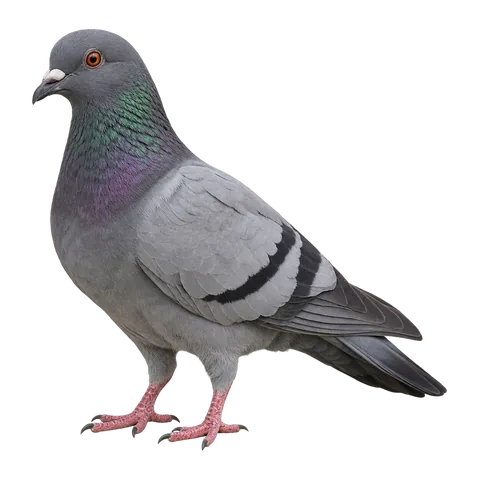
Pigeon proofing
We keep pigeons off roofs, ledges and balconies with netting, spikes and wire systems, and clear away nesting debris and droppings.
See treatment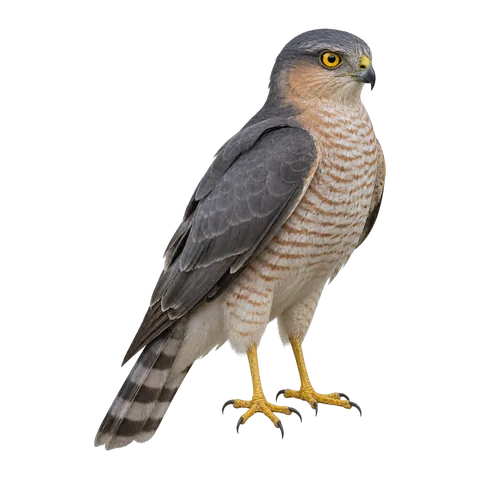
Bird of prey deterrence
A trained hawk or falcon flown over a site on a regular schedule makes gulls and pigeons treat it as unsafe, and they move away. It suits large sites where netting is not practical.
See treatmentSolar panel bird proofing
Pigeons nest under solar panels, where droppings and nesting material pile up. We clear the space out and fit a mesh skirt that keeps birds from getting back underneath.
See treatmentWhat to do next
Get in touch
Call 07417 552257, WhatsApp a photo to 07466 976020 or fill in the form below.
Agree a price and a time
We confirm a fixed price and the first free slot, often the same day or the next.
We treat and follow up
A technician treats, proofs and comes back to check. You get written notes after each visit.
Get a quote for seagull proofing
Tell us what you need and where. We call back with a price and the first free slot.
- Phone07417 552257
- WhatsApp07466 976020. Send photos for a faster price.
- Emailenquiries@envexa.example
- Phone lines7am to 10pm, 7 days a week
- Visits7am to 8pm, 7 days a week