
Harlequin ladybird cluster removal
Harlequin ladybirds gather in large numbers in window frames and lofts each autumn. We remove the clusters, treat the spots they use and help you keep them out next year.
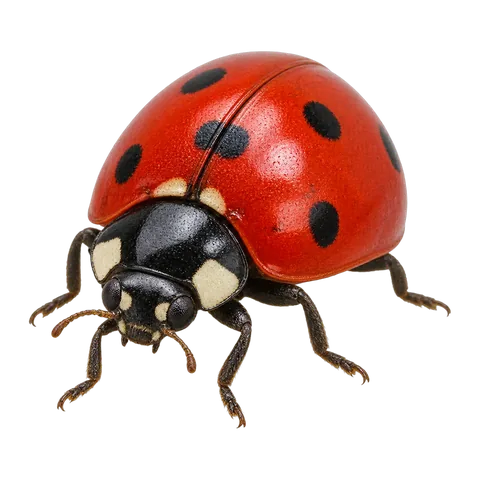
Signs of ladybirds
- Large groups of ladybirds in window corners, curtain tops or ceiling corners from October.
- Yellow stains on walls or fabric where ladybirds have been crushed or disturbed.
- A musty smell around the clusters.
- Ladybirds of mixed colours, orange, red or black, often with many spots, which points to harlequins.
How we treat ladybirds
Species check
We confirm they are harlequins, since native ladybirds can be moved outdoors unharmed.
Vacuum removal
We vacuum the clusters with a filtered machine so they are not crushed and do not stain.
Treat and seal
We treat window frames, eaves and loft spaces where they gather, and show you the gaps to seal.
What the visit includes
- Species check
- Vacuum removal of clusters
- Treatment of frames and loft voids
- Advice on sealing entry points
Stop them coming back
- Seal gaps around window frames and vents in late summer, before they arrive.
- Fit fine mesh to loft vents.
- Avoid squashing them, as the yellow fluid stains.
We apply treatment to frames and voids away from where children and pets spend time. Harlequins can trigger allergies in some people, so avoid handling large clusters.
Why deal with ladybirds quickly
- Ladybirds are harmless and do not damage the building.
- Large clusters leave yellow stains on paint, curtains and fabric and have a strong smell.
- Harlequins return to the same window frames and lofts each autumn, so numbers tend to rise year on year.
Ladybird cluster treatment for businesses
Clusters often form in the window frames of offices, schools, churches and holiday cottages. We remove them, treat the spots they use and give you a short note of where to seal gaps before the next autumn.
More on ladybirds
Questions about ladybird cluster treatment
Do ladybirds damage my home?
They cause no structural damage, but clusters can stain walls and fabrics and leave a smell.
Will they come back next autumn?
They return to the same spots year after year, so sealing gaps matters. If they come back within 90 days of the last treatment, we return free.
Are all ladybirds pests?
No. Native ladybirds eat greenfly in the garden. We only treat harlequin clusters indoors.
Related services
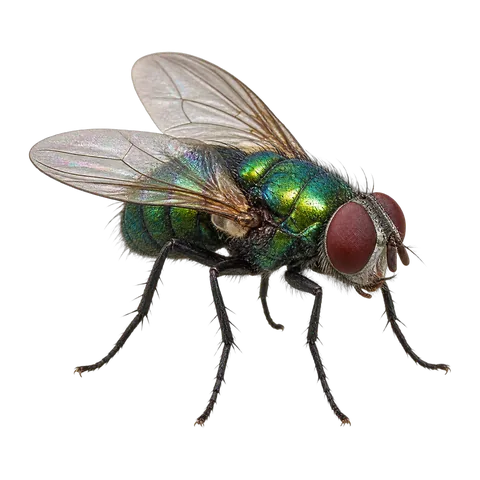
Fly control
We find out which fly you have and why it is there, then treat the source: the loft for cluster flies, the drain for drain flies, the bin store for house flies.
See treatment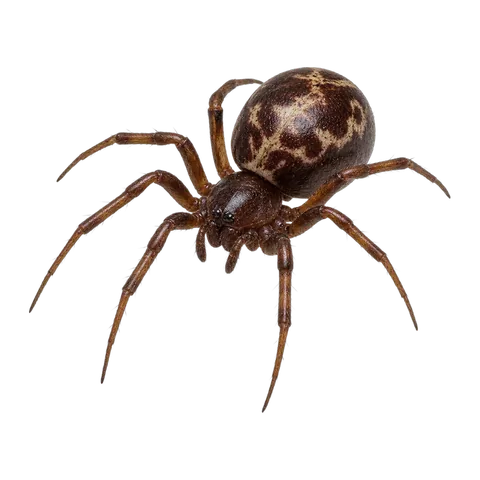
Spider control
Most UK spiders are harmless. Where numbers are high or false widows live near doors and windows, we remove webs and treat the spots they use.
See treatment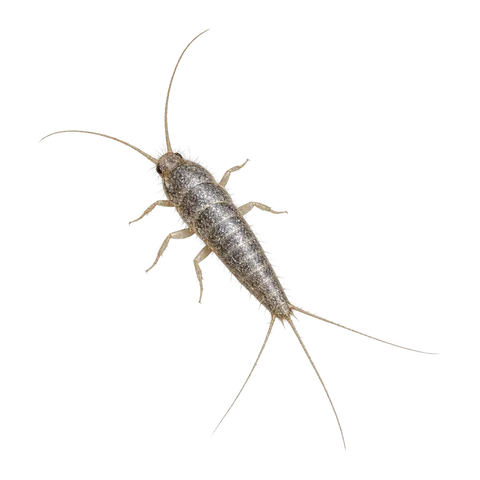
Silverfish control
Silverfish live in damp, dark spots and feed on starch, paper and mould. We treat where they hide and show you how to make those spots drier.
See treatmentWhat to do next
Get in touch
Call 07417 552257, WhatsApp a photo to 07466 976020 or fill in the form below.
Agree a price and a time
We confirm a fixed price and the first free slot, often the same day or the next.
We treat and follow up
A technician treats, proofs and comes back to check. You get written notes after each visit.
Get a quote for ladybird cluster treatment
Tell us what you need and where. We call back with a price and the first free slot.
- Phone07417 552257
- WhatsApp07466 976020. Send photos for a faster price.
- Emailenquiries@envexa.example
- Phone lines7am to 10pm, 7 days a week
- Visits7am to 8pm, 7 days a week