
Caterpillar control for hedges and trees
We treat box tree moth and brown-tail moth caterpillars on hedges and shrubs. Oak processionary moth is reported to the Forestry Commission and dealt with under its guidance.
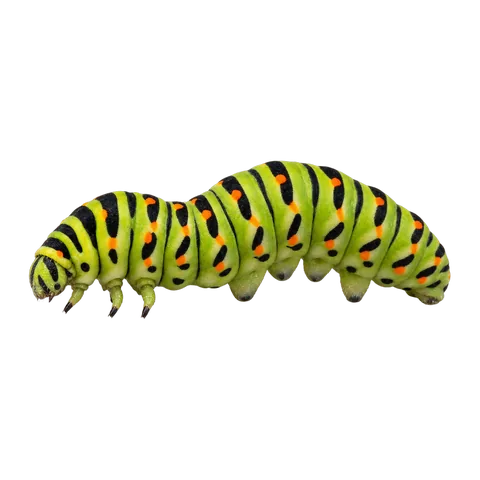
Signs of caterpillars
- Box hedges turning brown, with webbing and green and black caterpillars inside.
- White silk tents on hawthorn, blackthorn or bramble in spring, often near the coast.
- Caterpillars moving nose to tail in lines on or below oak trees.
- An itchy rash or sore eyes after time near hedges or oaks.
How we treat caterpillars
Identify
We confirm the species, as each one needs a different approach.
Treat
Box tree moth is treated with a spray approved for the plant. Brown-tail moth tents are cut out and bagged by staff in protective clothing.
Report and advise
Suspected oak processionary moth is reported through TreeAlert, and we follow any Forestry Commission instructions on treatment.
What the visit includes
- Species identification
- One treatment of affected hedges or shrubs
- Removal and disposal of brown-tail moth tents
- Reporting of oak processionary moth sightings
Stop them coming back
- Check box hedges from spring to autumn, as box tree moth can breed two or three times a year.
- Hang a pheromone trap near box plants to spot adult moths early.
- Cut out brown-tail tents in winter, while the caterpillars are small and inside them.
- Keep children and pets away from oaks with caterpillars or silk nests.
The hairs of oak processionary and brown-tail moth caterpillars can cause rashes, eye irritation and breathing problems. Do not touch the caterpillars or nests, and report oak processionary moth to the Forestry Commission through TreeAlert.
Why deal with caterpillars quickly
- Box tree moth caterpillars can strip a box hedge bare in a few weeks.
- Hairs from oak processionary and brown-tail moth caterpillars cause rashes, sore eyes and breathing problems.
- The irritating hairs stay in old nests and on the ground for a long time after the caterpillars have gone.
- Oak processionary moth must be reported to the Forestry Commission.
Caterpillar control for businesses
Parks, schools, gardens open to the public, hotels and estates with box hedging or oak trees see these caterpillars most. We treat on a seasonal plan, keep a record of each visit and work early in the day before visitors arrive.
More on caterpillars
Questions about caterpillar control
Can you remove an oak processionary nest?
Removal needs specialist protective kit and, in some areas, must follow Forestry Commission instructions. We report it first and arrange treatment in line with that guidance.
Will my box hedge recover?
Often, if most of the stems are still green. Feeding and watering after treatment help new growth.
When is the best time to treat?
Box tree moth is treated while the caterpillars are feeding, from spring to early autumn. Brown-tail tents are easiest to remove in winter.
Related services
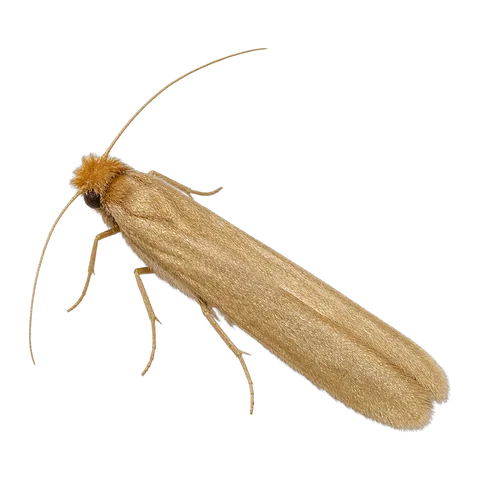
Clothes moth treatment
Moth larvae eat wool, silk, cashmere and carpets. We treat carpets, wardrobes and soft furnishings, and use pheromone traps to check the moths have gone.
See treatment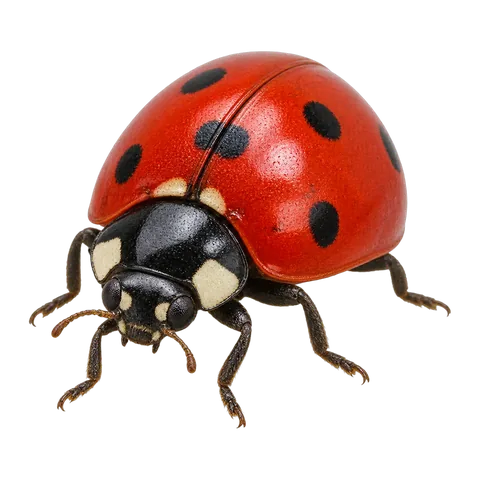
Ladybird cluster treatment
Harlequin ladybirds gather in large numbers in window frames and lofts each autumn. We remove the clusters, treat the spots they use and help you keep them out next year.
See treatmentWhat to do next
Get in touch
Call 07417 552257, WhatsApp a photo to 07466 976020 or fill in the form below.
Agree a price and a time
We confirm a fixed price and the first free slot, often the same day or the next.
We treat and follow up
A technician treats, proofs and comes back to check. You get written notes after each visit.
Get a quote for caterpillar control
Tell us what you need and where. We call back with a price and the first free slot.
- Phone07417 552257
- WhatsApp07466 976020. Send photos for a faster price.
- Emailenquiries@envexa.example
- Phone lines7am to 10pm, 7 days a week
- Visits7am to 8pm, 7 days a week