
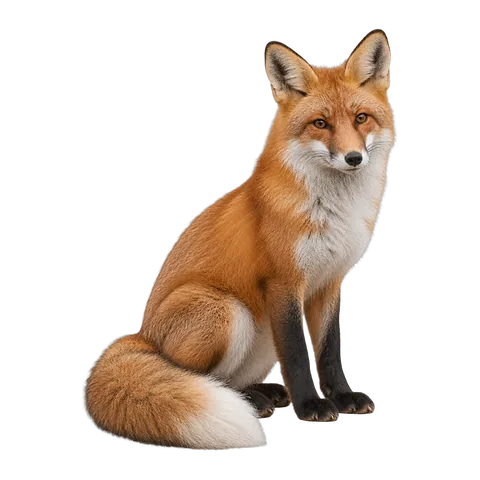
What foxes look like
The red fox is the only wild fox in the UK. It is about the size of a small dog, with an orange-red coat, a pale chest and throat, dark lower legs and a long, bushy tail that often has a white tip. Town foxes can look thinner and greyer than people expect, and a fox with thin, patchy fur and a straggly tail may have mange.
How foxes live
Foxes live in family groups and mark their territory with droppings and urine, which is the musky smell many people notice in the garden. In towns they rest by day in a den, called an earth, under sheds, decking, garden buildings or in overgrown corners, and come out at dusk to feed. They eat almost anything: worms, beetles, rats, mice, birds, fruit, food waste and food left out by people.
When one fox goes, another soon moves into a territory with food and shelter. That is why removing food and blocking dens does more over time than taking a fox away.
The fox year
Most fox problems follow the time of year:
- December to February: the mating season. Foxes scream and bark at night and roam more widely.
- March to April: cubs are born in a den, often under a shed or decking. The vixen stays close and the den can be hard to spot.
- May to July: cubs play above ground, digging up beds, chewing garden toys and shoes and flattening plants.
- Autumn: young foxes leave to find their own territory, and there can be more digging and fighting as they settle.
Risks to pets and people
Foxes are wary of people, and attacks on humans are very rare. Rabies is not found in UK foxes. Most problems are a nuisance: digging, smells, droppings on lawns and torn bin bags. A few health points are worth knowing:
- Fox droppings can carry roundworm and other parasites, so pick them up with gloves or a bag and wash your hands after gardening.
- Mange in foxes is caused by mites that can pass to dogs. Speak to your vet if your dog starts scratching after contact with a fox.
- Rabbits, guinea pigs and chickens are at risk at night and need secure hutches and runs with a solid floor or buried mesh.
- Cats and foxes usually keep out of each other's way.
Foxes and the law
Foxes do not have the special protection that badgers have, but all wild mammals are covered by the Wild Mammals (Protection) Act 1996, which makes it an offence to cause them unnecessary suffering. No poison is approved for use on foxes. Sealing a den with cubs or adults inside is cruel and can leave animals trapped.
When to call a professional
A fox crossing the garden at night needs nothing more than closed bins and no food left out. A den under the shed or decking, digging that keeps coming back, or foxes on a school or business site can be dealt with by deterrents and proofing. We find the den, wait until it is empty if there are cubs, then seal it with buried mesh so foxes cannot dig back in. We do not trap or harm foxes.