What glis glis are
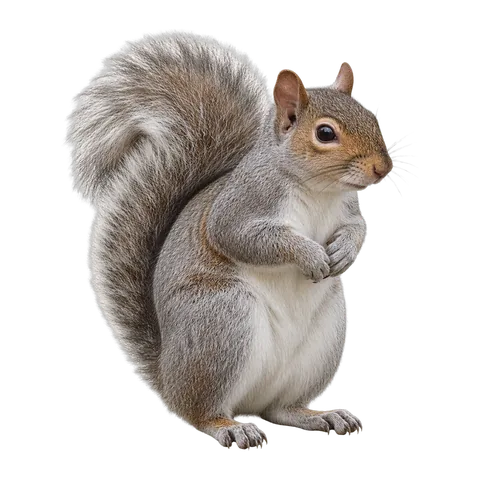
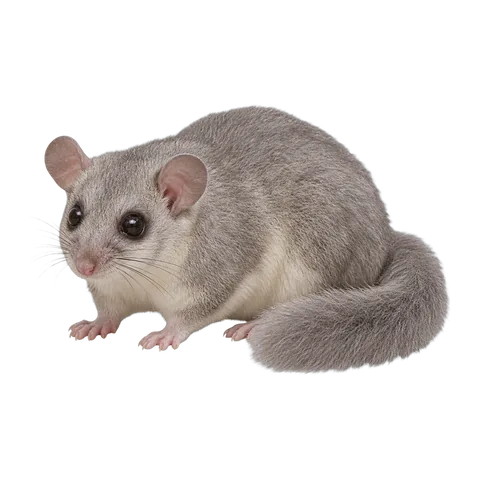
The glis glis, or edible dormouse, is a large dormouse brought to Tring in Hertfordshire in the early 1900s. It has spread across the Chilterns and the surrounding counties, and is now found in parts of Buckinghamshire, Bedfordshire, Hertfordshire and Oxfordshire. It looks like a small grey squirrel, with a bushy tail, large dark eyes and dark rings around them.
They are not the same as the native hazel dormouse, which is much smaller and strictly protected.
Their year
Glis glis spend the winter hibernating, usually underground, from around October to May. When they wake, they look for warm, dry places to breed, and a loft near woodland suits them. They are active from about June to September, which is when most people first hear them.
They are nocturnal, so the noise comes late in the evening and through the night. Families can be noisy, and the sound is often described as running, thumping and squeaking above the ceiling.
Signs and damage
- Loud activity in the loft at night in summer, silent over the winter months.
- Droppings larger than a mouse's and similar in size to a rat's, often in piles.
- Chewed electrical cables, pipe lagging, roof timbers and stored items.
- Fruit, nuts or bird food carried into the loft from the garden.
- Damage to fruit trees and bark in the garden, and in some cases to beehives.
What the law allows
Glis glis are listed on Schedules 6 and 9 of the Wildlife and Countryside Act 1981. Schedule 6 limits the methods that can be used to catch or kill them, so some trap types are not allowed. Schedule 9 means a caught glis glis must not be released into the wild, so catching one in a live trap and letting it go in a wood is an offence.
Before any work in a loft, check for bats. All UK bat species and their roosts are protected by law, and lofts in wooded areas often have them. If you think bats are present, stop and get advice before anything goes ahead.
Timing control and proofing
Control works while the animals are active, roughly June to September. Proofing is best done over the winter, once they have gone into hibernation and the loft is empty. Sealing entry points in summer risks trapping animals and young inside, where they will chew new routes out.
Glis glis climb well and get in at the eaves, through gaps in soffits and fascias, around pipes and through damaged tiles. Cutting back branches that touch the roof helps. Galvanised mesh and repairs to roof edges close the gaps.
When to call a professional
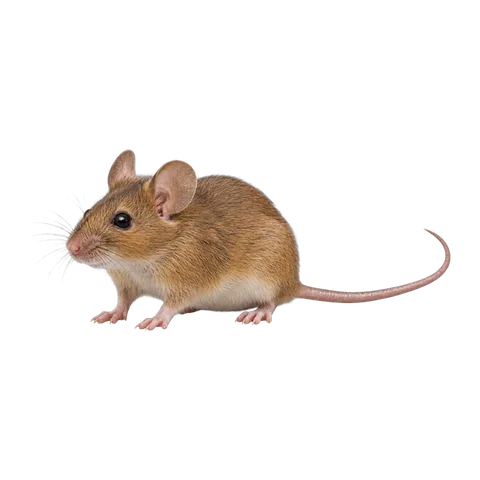
Call a professional if you hear activity in the loft in summer and live in or near the Chilterns, or if you find chewed cables. A technician can confirm what you have, use methods the law allows for this species and plan proofing for the winter.
Quotes are free and there is no call-out charge, and we aim to visit the same or next day. If you are not sure whether the noise is glis glis, rats or squirrels, a photo of droppings sent on WhatsApp often settles it.