Noises and timing
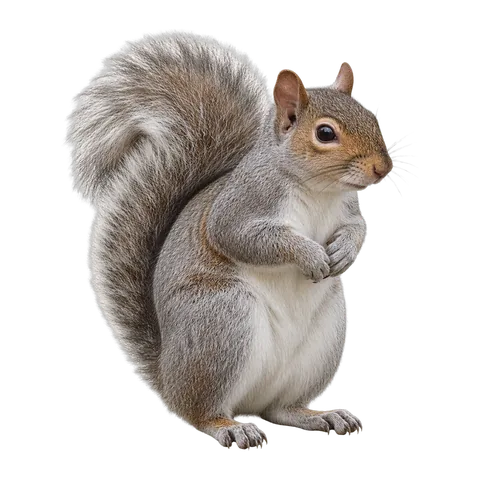
Grey squirrels are active during the day, so noise in the loft is usually heard in the early morning and late afternoon. It sounds like running and scratching, and sometimes a rolling noise as they move nuts or debris. Rats and mice are more active at night.
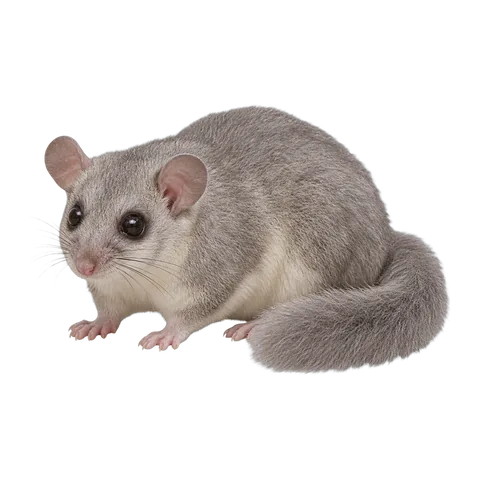
In and around the Chilterns, night-time noise in the loft between late spring and autumn may come from edible dormice, known as glis glis. They hibernate over winter and are covered by specific rules on how they can be controlled.
Signs in the loft
- Insulation that has been flattened, pulled up or tunnelled through.
- A large nest, called a drey, made from insulation, paper, leaves and twigs.
- Chewed roof timbers, boxes, pipe lagging and stored items.
- Droppings that are larger than mouse droppings and rounder than rat droppings.
- Squirrels seen running along the roof, gutters or nearby branches and disappearing at the eaves.
- Daylight showing through gaps at the eaves, fascia boards or roof tiles.
Damage and risks
Squirrels gnaw constantly. In a loft they can chew electrical cables, which is a fire risk, and damage water pipes, tank lids and roof timbers. Insulation that has been moved or soiled stops working as it should.
They also bring fleas and leave urine and droppings behind. Damage builds up over a winter, so it is worth acting early in the season.
Legal points
Grey squirrels are a non-native invasive species in Great Britain. It is an offence to release a grey squirrel into the wild once caught, so catching one and letting it go elsewhere is not allowed. Any control has to be humane and use legal methods.
Before any work starts, check the loft for bats. All UK bat species and their roosts are protected by law, even when the bats are not there. If you think you have bats, stop and get advice from the Bat Conservation Trust before work goes ahead.
Proofing the roof
Do not block entry holes while squirrels are still inside. A trapped squirrel will chew a new way out, sometimes into the house, and young may be left to die in the loft. Squirrels can have young in spring and again in summer, so timing matters.
Once the loft is clear, entry points are sealed with galvanised mesh and repairs to fascias, soffits and tiles. Cutting back branches that overhang the roof makes it harder for them to return. Damaged insulation can be removed and replaced once the loft is clean.
When to call a professional
Call a professional if you see or hear squirrels in the loft, find chewed cables, or cannot see how they are getting in. A technician can confirm what is in the loft, deal with the squirrels within the law and proof the roof so they do not come back.
Quotes are free with no call-out charge, and we aim to visit on the same or next day. If you are not sure what you are hearing, send us a photo of droppings or damage on WhatsApp.