From crane flies to grubs
Crane flies, often called daddy long legs, emerge in large numbers in late summer and early autumn. Females lay eggs in the lawn, and within a few weeks the grubs hatch. These are leatherjackets: grey-brown, legless and tough-skinned, growing to about 3 cm long.
Leatherjackets feed on grass roots and the base of the stems through autumn, winter and spring. The damage often shows most in spring, when the lawn should be growing and patches stay yellow or brown.
Signs of leatherjackets
Look for these from autumn onwards, especially if there were many crane flies on the lawn in September.
- Yellow or brown patches that do not green up after rain or feeding.
- Grass that lifts easily, because the roots have been eaten.
- Starlings, rooks, crows or magpies probing the same patch day after day.
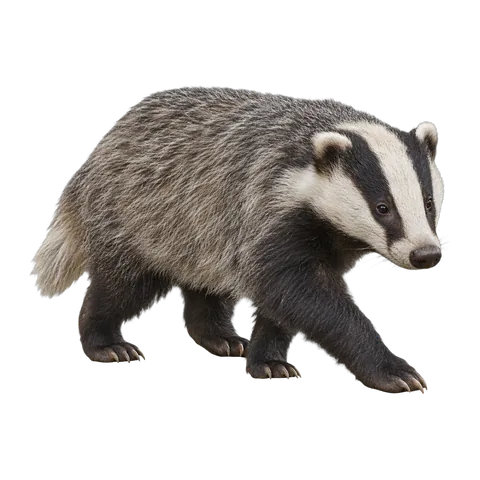
- Turf pulled back or dug up overnight, often by foxes or badgers looking for grubs.
How to check
Water a patch of lawn well, then cover it with black plastic or a damp sack overnight. In the morning, lift the cover. Leatherjackets come up to the surface under it and are easy to count. You can also cut out a small square of turf and look in the top few centimetres of soil.
If you find C-shaped, creamy-white grubs with brown heads and legs, those are chafer grubs. They cause similar damage and are treated in a similar way, but at a different time of year, so check the product label for the right one.
Treating the lawn
Most chemical lawn insecticides are no longer approved for home use in the UK. The main control for gardens is nematodes, tiny worms that infect and kill the grubs. They are sold as a powder to mix with water and pour over the lawn.
Nematodes need moist soil that is warm enough for them to work, so early autumn is usually the best time, while young grubs are near the surface. Water the lawn before and after, and keep it damp for a couple of weeks. Check the pack for the minimum soil temperature, as treating too late in the year often fails.
Helping the lawn recover
Rake out dead grass, reseed bare patches and feed the lawn in spring. Good drainage and regular mowing help, as crane flies prefer to lay in damp, thick grass. Leave the grass a little longer in late summer if you can, which makes it harder for females to reach the soil.
Birds feeding on the grubs do some good, though they can make the patches look worse for a while.
When to call a professional
If something is digging up your lawn at night, it helps to know what it is before you act. Badgers and their setts are protected by the Protection of Badgers Act 1992, and foxes are protected from cruelty by law. We can confirm which animal is doing the damage and advise on legal ways to protect the garden, such as fencing or deterrents that suit it.
Send us a photo of the damage on WhatsApp for a fast answer. Quotes are free and there is no call-out charge.