The two common species
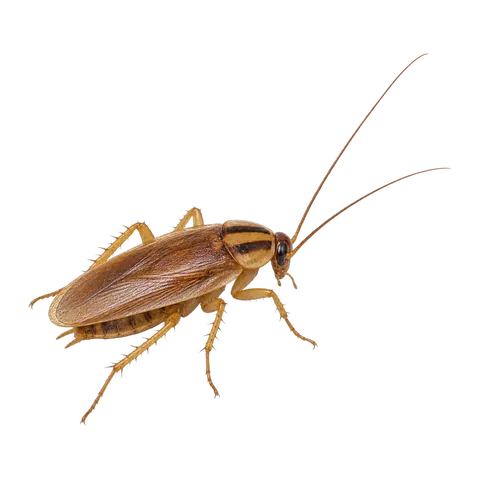
Two species cause most problems in UK homes. The German cockroach is small, light brown and has two dark stripes behind its head. It prefers warm spots in kitchens, such as behind fridges, cookers, dishwashers and boilers.
The Oriental cockroach is larger, dark brown to black and slower moving. It likes cooler, damp places such as ground-floor flats, basements, drains and bin stores. Knowing which one you have helps a technician decide where to treat.
Signs of cockroaches
- Live cockroaches seen at night, often when you switch the kitchen light on.
- Droppings that look like ground pepper, or small dark smears along shelves and cupboard hinges.
- Brown egg cases a few millimetres long, tucked into cracks and gaps.
- Shed skins behind appliances and under sinks.
- A musty, oily smell in cupboards when numbers are high.
Shared walls, pipes and ducts
In a block of flats, cockroaches move between homes along heating pipes, service risers, cable runs and gaps behind kitchen units. A spotless flat can still have them if a neighbouring flat or a shared bin room is infested.
This is why treating one flat alone often fails. The cockroaches retreat into the walls and come back, or the treatment pushes them next door. Good results usually come from inspecting and treating linked flats at the same time, along with shared areas such as bin stores and plant rooms.
First steps at home
Avoid shop-bought sprays and foggers. Many repel cockroaches, so they scatter into new hiding places, and they can make professional gel baits less effective later. Focus on removing food, water and places to hide.
- Clean grease from behind and under the cooker, and empty the crumb tray in the toaster.
- Store food in sealed containers and do not leave dishes or pet food out overnight.
- Fix dripping taps and leaks under the sink, and dry the sink area at night.
- Seal gaps around pipes under sinks and behind units with filler or sealant.
- Clear out cardboard boxes and paper bags, which cockroaches hide and lay eggs in.
Landlords, agents and councils
If you rent, tell your landlord or letting agent in writing as soon as you see signs. In a block, the managing agent or housing association can arrange treatment across several flats, which a single tenant cannot do. Leaseholders should contact the freeholder or managing agent about shared areas.
If you rent from a council or housing association, report it through their repairs line. Note when and where you saw cockroaches, and take photos. This helps whoever arranges the treatment see how far the problem has spread.
When to call a professional
Cockroaches are hard to clear with home products, so call a professional once you have seen more than one or two. A technician can confirm the species, place gel baits and insect growth regulators where they hide, and advise which neighbouring flats should be checked.
We give free quotes with no call-out charge and aim to visit on the same or next day. Pest treatments include a free return visit within 90 days, which helps with cockroaches because eggs can hatch after the first treatment. We can come in an unmarked van if you prefer, and you can send a photo on WhatsApp for a fast answer.