What a viewing can tell you
Most pest problems leave marks that stay long after the animals or insects have moved on. Fresh paint can cover a lot, but droppings in a loft, gnawed pipes under a sink or a burrow by the shed are harder to hide. A second viewing with a torch is a good time to look.
A building survey may mention woodworm or damp, but surveyors do not check for rodents or insects in detail. Ask to see the loft, the garage and the cupboard under the stairs.
Inside the house
- Loft: droppings on the insulation or boarding, flattened or tunnelled insulation, chewed cables and old nests. Old wasp nests are common and are not reused.
- Kitchen: droppings at the back of cupboards and behind the cooker, gnaw marks on kickboards and open pipe holes behind the units.
- Bathroom: gaps around the soil pipe and under the bath panel, which rodents use to move between floors.
- Walls: dark, greasy smears along the bottom of walls and small holes near pipes.
- Timber: small round holes in loft joists, floorboards and stairs. Clean, pale holes with fine dust below may mean active woodworm.
- Smell: a stale, musky smell in cupboards or a strong smell of ammonia in the loft can point to rodents.
Outside and in the garden
Walk round the outside of the house. Look for burrows under decking, sheds and garden steps, especially where the soil at the entrance looks freshly dug. Rats often run along fence lines and wear smooth tracks into the grass.
Check the roofline for missing tiles, gaps under the eaves and broken vents. Lifted drain covers, damaged air bricks and gaps around waste pipes are all ways in. A build-up of droppings on a sill or balcony suggests pigeons are roosting above.
Furnished homes and lets
If the home comes furnished, look at the mattress seams, the joints of the bed frame and the back of the headboard for small dark spots and shed skins, which are signs of bed bugs. Check sofas and armchairs the same way.
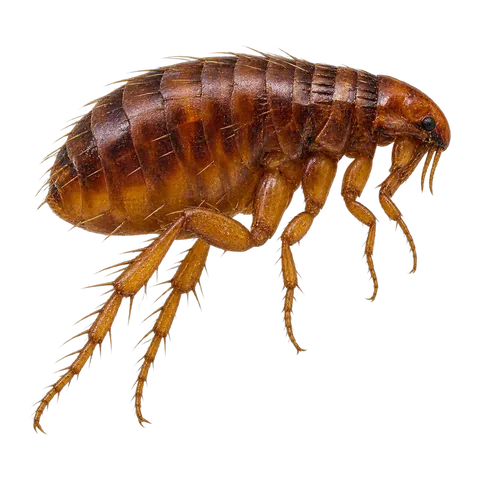
Where the last occupants kept a cat or dog, flea pupae can wait in the carpets while the home stands empty. They often hatch when new people move in and walk on the floors. Bites around the ankles in the first week usually point to fleas.
Questions to ask before you sign
Ask the seller or agent whether there have been any pest treatments, what they were for and when. Ask for the paperwork from any past woodworm treatment, as these sometimes come with a guarantee.
If you are renting, note any signs on the inventory, and report problems you find after moving in to the landlord or agent in writing. Landlords in England have duties under the Homes (Fitness for Human Habitation) Act 2018, and a serious infestation can fall under them. Get housing advice if you are unsure how this applies to you.
When to call a professional
Fresh signs are not always a reason to walk away, as many problems are routine to treat. A pest inspection shows how far a problem has gone and what proofing is needed, which helps when you talk to the seller about repairs.
It is also easier to treat and proof a home before your furniture arrives. We give free quotes with no call-out charge, and you can WhatsApp us a photo of anything you spotted on a viewing for a fast answer. If the signs point to the drains, a drain survey can show where rats are getting in.