Tell us about your pets when you book
When you book, tell us which animals live in the home, including fish, birds, reptiles and anything kept outside in a hutch or run. The technician can then choose products and bait points to suit, and tell you how long each animal needs to stay away.
It also helps to know where your pets sleep and eat. For fleas, these are often the spots that need treating most. For rodents, they are the spots we keep bait well away from.
Dogs and cats
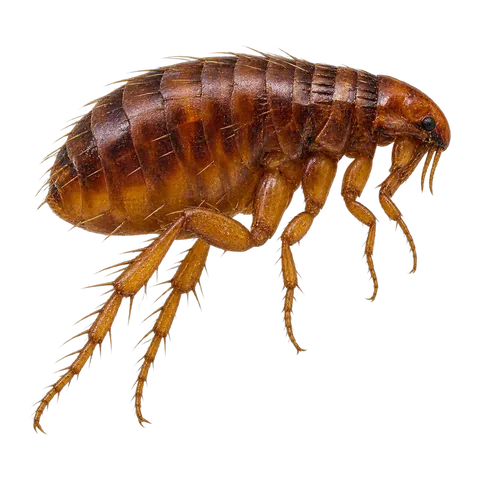
After a spray for fleas, bed bugs, moths or carpet beetles, keep dogs and cats out of the treated rooms until the surfaces are dry. This usually takes two to three hours, and sometimes up to four. A walk, a visit to a friend or a closed room that is not being treated all work.
Pick up food and water bowls, toys and pet beds from treated rooms before the technician starts, unless the pet bed is one of the things being treated. Once the floor is dry, pets can walk on it as normal. Keep cats off treated sofas and chairs until they are fully dry, as they groom more than dogs.
Fish, birds, reptiles and small pets
- Fish: cover the tank with cling film or a towel and switch off the air pump during treatment and for a few hours after. Fish are very sensitive to insecticide in the air and water.
- Birds: move caged birds out of the house, or well away from the treated rooms, and leave them there until the rooms have aired.
- Reptiles and amphibians: move vivariums out of the treated rooms where you can. If that is not possible, talk to the technician before the visit.
- Rabbits, guinea pigs and other small pets: keep hutches and runs away from any part of the garden being treated, and bring house rabbits into an untreated room.
Rodent bait and pets
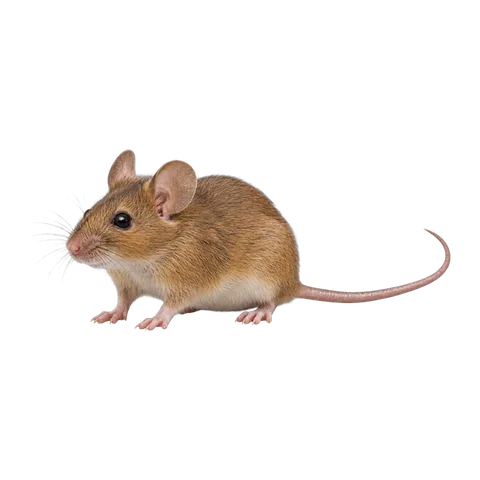
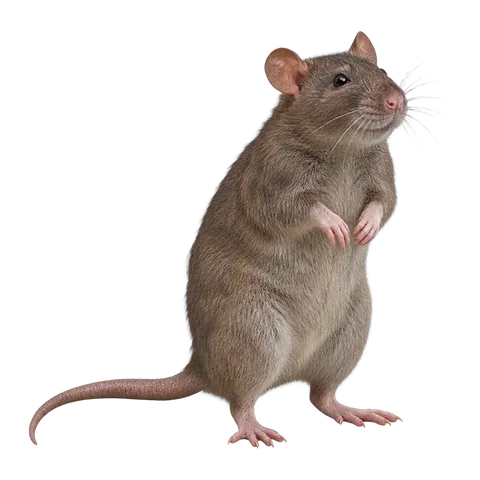
When we use rodenticide, it goes inside locked, tamper-resistant boxes that dogs and cats cannot open. The boxes are fixed in place, sited away from where pets eat and sleep, and we tell you where each one is. Our use of rodenticide follows CRRU stewardship rules, which include taking all bait away at the end of the job.
Do not move or open bait boxes yourself. If you find a dead mouse or rat, pick it up with gloves, double-bag it and put it in the outside bin so a pet cannot eat it. In some homes, such as those with dogs that dig or cats that hunt, traps in covered boxes may suit better than bait, so ask if you would prefer that.
Treatments outside
Keep pets indoors while a wasp nest is treated and for the rest of that day, as the wasps will be stirred up around the nest. If your dog is stung and swells around the face or has trouble breathing, call your vet straight away.
For fox deterrents and ant treatments on paths and patios, bring pets in before the technician starts and ask when they can go back out. Keep them off treated patches until they are dry.
When to call a professional
Pets are no reason to put off treatment. Fleas in particular get worse when left, and the animals suffer most. If you have questions before you book, call us any day between 7am and 10pm and ask about your animals.
Quotes are free, there is no call-out charge and we aim to visit the same or next day. If you think a pet has eaten something it should not have, call your vet first. Ask the technician for the name of the product used so you can pass it on.