Which UK spiders can bite
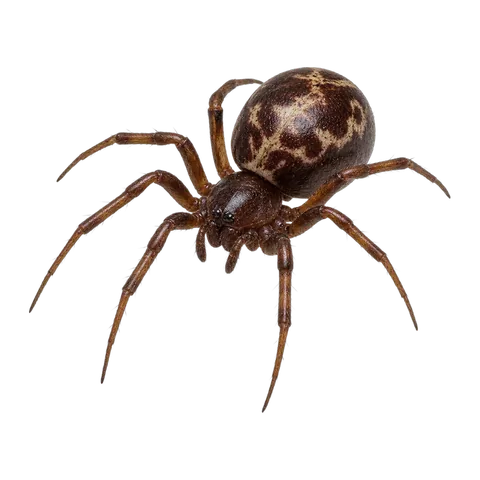
Most spiders in UK homes and gardens have fangs too small or weak to pierce human skin. A few larger species can, and the one people ask about most is the noble false widow. It has a round, shiny, dark brown body with cream markings and is often found around window frames, porches, sheds and conservatories.
False widows are not aggressive. Bites usually happen when a spider is pressed against the skin, for example in clothing, bedding or a glove left in a shed. The woodlouse spider and some house spiders can also bite, though this is rare.
What a bite looks like
A spider bite often feels like a sharp pinprick or sting. Afterwards there may be redness, swelling, pain or itching around the spot, similar to a bee or wasp sting. Some people see two small marks close together. Most bites settle within a few days.
Basic care after a bite
- Wash the area with soap and water.
- Hold a cold compress or an ice pack wrapped in a cloth on the bite to reduce swelling.
- Raise the limb if the bite is on an arm or leg.
- Try not to scratch, as broken skin can become infected.
- Contact NHS 111 or your GP if the redness spreads, the swelling gets worse, the bite shows signs of infection, or you feel unwell.
- Call 999 if someone has difficulty breathing, swelling of the face or throat, or feels faint after a bite.
Bites that are not from spiders
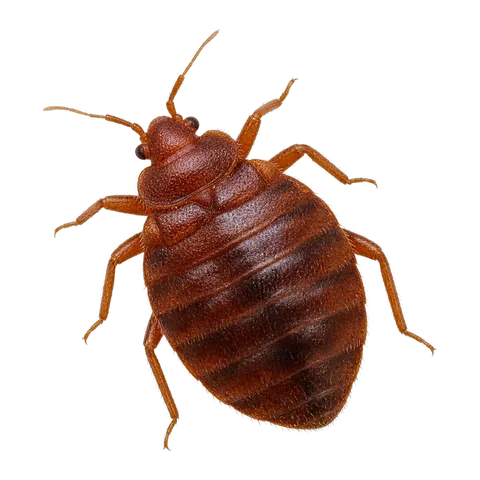
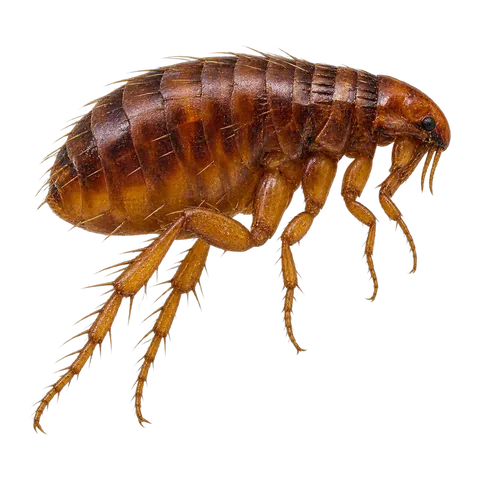
Many bites blamed on spiders come from other pests. Small itchy bites around the ankles and lower legs often point to fleas, especially in homes with pets or after moving in. Bites in lines or clusters on the arms, neck and shoulders after a night's sleep are a common sign of bed bugs. Bird mites can bite people when birds have nested in the roof or near a window.
If you keep getting bites and cannot find a cause, look at the bedding, mattress seams, pet bedding and window sills for the pest itself.
Reducing spiders indoors
Spiders follow the insects they eat, so fewer flies and moths mean fewer spiders. Fit fly screens if you keep windows open in summer, and vacuum webs and egg sacs from corners, window frames and behind furniture. Shake out shoes, gloves and clothes that have been left in sheds or garages before you put them on. Seal gaps around windows and doors to reduce the number that come in during autumn.
When to call a professional
Call a professional if you have many false widows living around doors, windows or a child's bedroom, or if you are getting bites and want to know what is causing them. A technician can identify the pest, remove webs and treat the spots spiders use, or check for fleas, bed bugs or mites if they are more likely.
Quotes are free, with no call-out charge. A clear photo of the spider sent on WhatsApp is usually enough for us to tell you what it is.