Why preparation matters
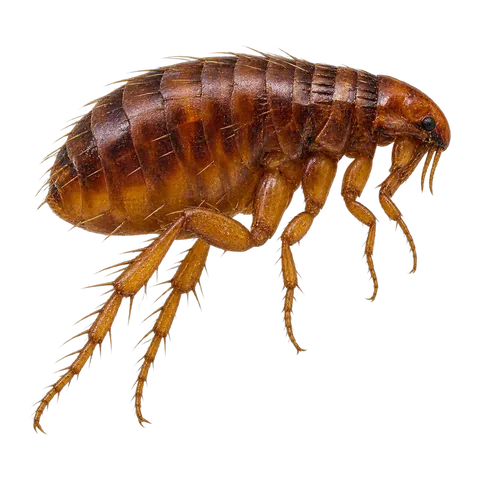
Most of a flea problem lives off the pet. Eggs drop into carpets, rugs, sofa bases and pet beds, and the larvae hide deep in the fibres and in gaps along skirting boards. A spray only works where it touches, so the more floor the technician can reach, the better the result.
Preparation also stops new fleas arriving. If the pets still carry fleas on the day, they drop a fresh supply of eggs onto the floor every day after.
Treat your pets first
Treat every cat and dog in the home with a flea product from your vet, ideally the day before the visit. We do not treat animals ourselves. Ask the vet about any other furry pet that spends time on the floor, such as a house rabbit.
Use the right product for each animal. Some dog spot-on treatments are dangerous to cats, so never share them between species. Wash pet bedding at 60°C, or throw it away if it is old and heavily infested.
The day before and the morning of the visit
If the dog travels in the car, vacuum the boot and seats too. Fleas can ride back into the house from a car.
- Pick up shoes, toys, clothes, bags and boxes from every floor, including under beds and sofas.
- Vacuum all carpets, rugs, hard floors and stairs, with extra time on edges, corners and the floor under furniture.
- Vacuum sofa and armchair bases and the gaps around the cushions.
- Empty the vacuum or take out the bag straight away, seal it in a bin bag and put it in the outside bin.
- Wash throws, cushion covers and anything soft that sits at floor level.
- Cover fish tanks and switch off the air pump.
- Move caged birds, reptiles and small pets out of the house, or at least out of the rooms being treated.
On the day
The technician sprays carpets, rugs, floor edges, sofa bases and the places pets sleep, using an insecticide mixed with a growth regulator. The growth regulator stops eggs and larvae from turning into adults.
Everyone, pets included, stays out of the treated rooms for at least two hours, until the spray has dried. Open the windows when you come back in if the room feels stuffy, and keep small children off the floor until it is dry to the touch.
The two weeks after treatment
Seeing fleas after treatment is normal and does not mean it has failed. Flea pupae sit in tough cocoons that spray cannot get through, and they keep hatching for up to two weeks. The new fleas land on treated surfaces and die.
Vacuum every day for those two weeks. Vibration and warmth make the pupae hatch sooner, so the problem clears faster. Avoid washing or steam cleaning the carpets during this time, as it can strip the treatment from the fibres. Keep the pets on their vet product so any flea that jumps on them does not survive.
When to call a professional
A light problem caught early can sometimes be cleared with a vet treatment for the pets and plenty of vacuuming. If you are still being bitten after a few weeks, or fleas jumped out at you when you moved into an empty house, a professional treatment is usually quicker.
Quotes are free and there is no call-out charge. We aim to visit the same or next day, and our technicians work from 7am to 8pm, seven days a week. We send a preparation sheet before the visit, and if fleas come back within 90 days of the treatment, the return visit is free.