Why check in early spring
As the days lengthen, pests that spent the winter dormant or tucked away start moving. Queen wasps leave their winter shelter to look for nest sites, birds start choosing roof spaces and ledges, and squirrels and rats raise their first young of the year. Most of these problems are easier to prevent in March than to fix in June.
A walk round the house with a torch and a notebook takes an hour or two. Write down what you find, then fix the simple jobs yourself and get quotes for the rest.
The loft and roof space
- Look for old wasp nests. A papery nest from last year will not be used again, but it shows wasps found a way in, so look for the gap.
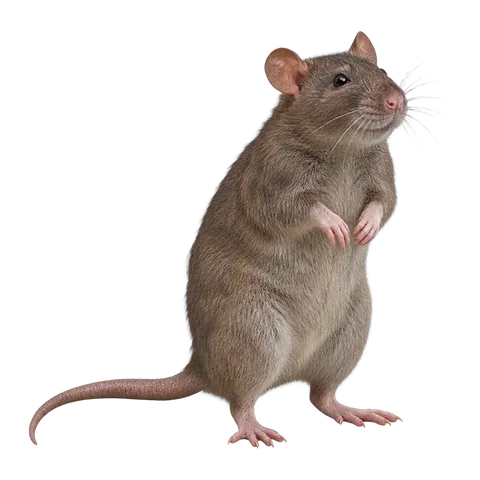
- Check insulation for tunnels, droppings and chewed cables, which point to squirrels or rodents over the winter.
- Turn the light off and look along the eaves. Daylight showing through means a gap that birds or squirrels can use.
- Note any small droppings that crumble to dust when pressed. These may be from bats, which are protected by law along with their roosts, so leave the area alone and get advice.
Eaves, gutters and walls
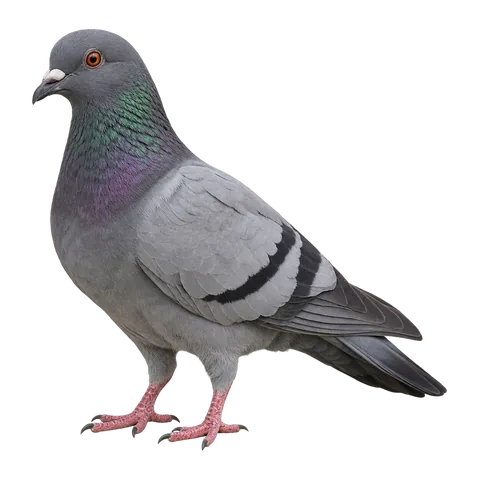
Many birds start building nests in March. Once a nest has eggs or chicks it is protected under the Wildlife and Countryside Act 1981, and any work that would disturb it has to wait until the young have left. Late winter is the time to close gaps under roof tiles, fit mesh behind gutters and proof solar panels.
Clear leaves and moss from gutters. Blocked gutters hold water that attracts insects and can rot fascia boards. Cut back ivy and climbing plants that give rats and mice a route up to the roofline.
Drains, air bricks and the ground floor
- Lift inspection chamber covers and look for debris, standing water or broken pipework.
- Check that air brick covers are intact, and replace damaged plastic ones with metal mesh versions.
- Look for gaps where pipes and cables enter the house, and for worn seals at the bottom of doors.
- Check under decking and behind sheds for burrows with freshly dug soil at the entrance.
Inside the house
A spring clean turns up a lot of pests. Pull out the cooker and fridge and look for droppings behind them. Check wardrobes and the space under beds for clothes moth larvae and the small holes they leave in wool. Lift the edges of carpets in spare rooms, where carpet beetle larvae feed on fluff and fibres.
Kitchen cupboards are worth emptying too. Throw away old packets of flour, cereal and bird seed, and move dry food into sealed containers before pantry moths or ants find it.
Garden and outbuildings
Move log piles, compost bins and stored timber away from the house walls. Put a tray under bird feeders so spilled seed does not feed rats. Tidy sheds and garages, where mice often nest over winter in stored cushions, sleeping bags and cardboard boxes, and keep anything you want to protect in sealed plastic tubs.
When to call a professional
If you find signs of rodents, an active pest problem or gaps you cannot reach safely, a technician can inspect and quote. Bird proofing on the roofline is best booked before nesting starts, and our quotes for it are free.
We aim to visit on the same or next day, and technicians work 7am to 8pm, 7 days a week. If you want a quick view on something you found, send us a photo on WhatsApp.