Your home should be fit to live in
Across the UK, rented homes are expected to be safe and kept in reasonable repair, and a serious pest problem can make a home unfit to live in. In England, the Homes (Fitness for Human Habitation) Act 2018 places this duty on landlords for the whole tenancy. Wales, Scotland and Northern Ireland have their own rules, which work in a similar way but differ in the detail.
This page gives general information only. It is not legal advice, and your tenancy agreement and local rules both matter.
What landlords usually deal with
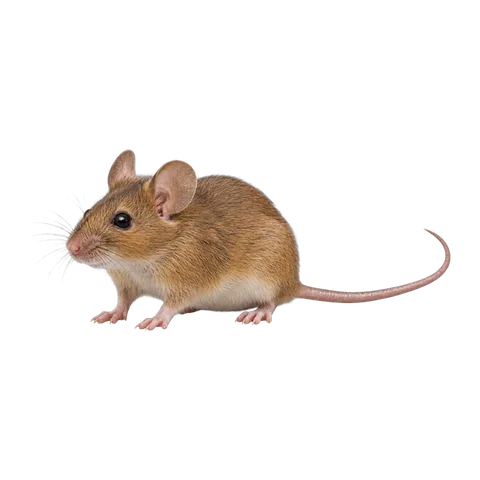
As a general rule, a landlord is expected to deal with pests that get in because of the building. That covers gaps in brickwork, broken drains, damaged air bricks, holes around pipes and roof spaces open to birds or squirrels. A landlord is also usually responsible for an infestation that was already there when you moved in.
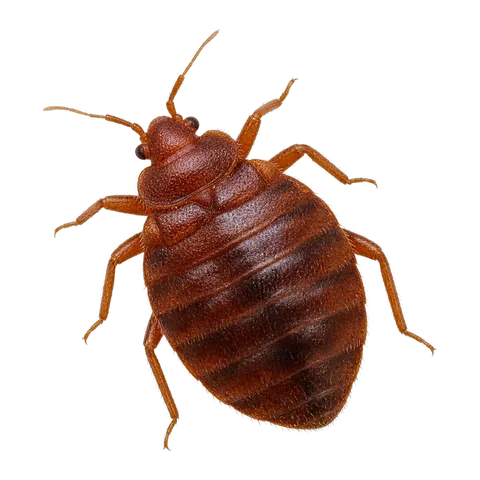
Where pests come from how the home is used, such as food waste left out, the tenancy agreement may put the cost on the tenant. Bed bugs, and pests that spread between flats, are often less clear-cut, and the answer depends on the facts.
How to report a problem
- Tell your landlord or letting agent in writing as soon as you notice signs. Email or the agent's repair portal both leave a record.
- Describe what you have seen, which rooms are affected and when it started.
- Attach dated photos of droppings, damage, insects or holes.
- Ask for an inspection and say when you can give access.
- Keep copies of every message and reply.
What you can reasonably ask for
You can ask for the cause to be found and dealt with, as well as the pests you can see. That might mean a professional inspection, treatment, and proofing work such as sealing gaps or repairing a drain. You can also ask to be told what was found and what was done.
Your landlord will need access to do the work. Tenancies usually require reasonable notice before a visit, except in an emergency. Agreeing times quickly and following any preparation instructions before a treatment helps it work first time.
If nothing happens
If you get no reply, or the problem carries on, send a written reminder that refers to your first report. Your local council's environmental health or private housing team can inspect rented homes and has powers to require landlords to fix serious hazards. Citizens Advice and Shelter can explain your options where you live.
Do not stop paying rent without getting advice first, as it can put your tenancy at risk.
What helps in the meantime
Store food in sealed containers, keep bins closed and empty them often, and clear clutter where pests can hide. These steps help any treatment, and they show you are doing your part if the cause is questioned later. Do not move furniture from a room with bed bugs, and avoid shop sprays on bed bugs or cockroaches before a professional visit, as they scatter the insects.
When to call a professional
If your landlord asks you to arrange treatment, or you want an independent view of the problem, a technician can inspect and give you a written note of what they found, including any entry points.
Our quotes are free, there is no call-out charge, and we can come in an unmarked van on request.