How the rating works
In England, Wales and Northern Ireland, food businesses get a food hygiene rating from 0 to 5 after an inspection by their local council. In Scotland, a separate scheme gives a result of Pass or Improvement Required. Businesses in Wales and Northern Ireland must display their rating, and many in England choose to.
The rating looks at three areas: how food is handled, the condition of the building and equipment, and how food safety is managed. Pests touch all three.
What officers look for
An inspector will usually check the places pests are most likely to be found.
- Droppings behind and under equipment, in dry stores and along the base of walls.
- Gnawed packaging, holes in sacks and food spilled from damaged stock.
- Live or dead insects in corners, behind fridges, in drains and in fly killer trays.
- Gaps around pipes and doors that would let pests in.
- Records of pest control visits, findings and the action taken.
- Signs that staff know what to do if they see a pest.
How pests can lower the score
Signs of pests count against the building's condition and the cleanliness of food areas. If an officer also finds that the business has no system for spotting and dealing with pests, or ignored earlier advice, the management score can suffer too. A low score in any area can pull the overall rating down.
A serious infestation is treated as a risk to health. Officers have powers to close premises straight away where there is an imminent risk, and the business cannot reopen until the council is satisfied.
Before an inspection
Inspections are usually unannounced, so the aim is to be ready on any day. Keep a pest log in the kitchen with staff sightings and the action taken. File contractor reports where you can find them quickly. Fix gaps, damaged seals and broken fly screens as soon as they are noticed, and make sure stock is stored off the floor.
After a poor result
The officer will explain what needs to change. Deal with the pest problem first, then the proofing and cleaning, and keep records of every step. Once the work is done, you can ask the council about a re-rating visit. How this works varies between councils, so check with your local authority.
Pest control records
A contractor's report is useful evidence. It should show the date of each visit, what was checked, what was found, any treatment used and recommendations such as proofing. If the report suggests work and you have done it, note when.
When to call a professional
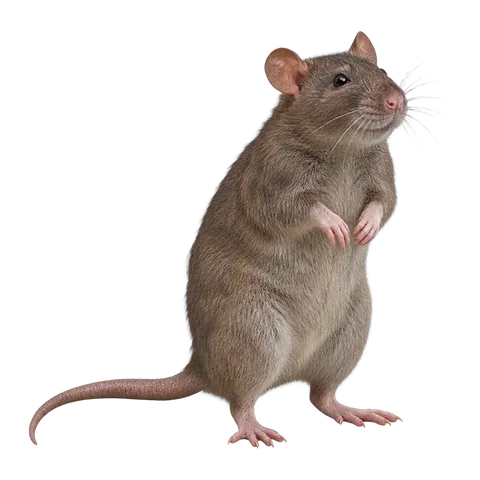
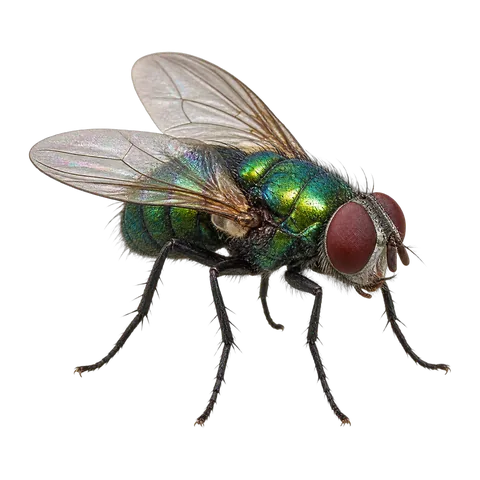
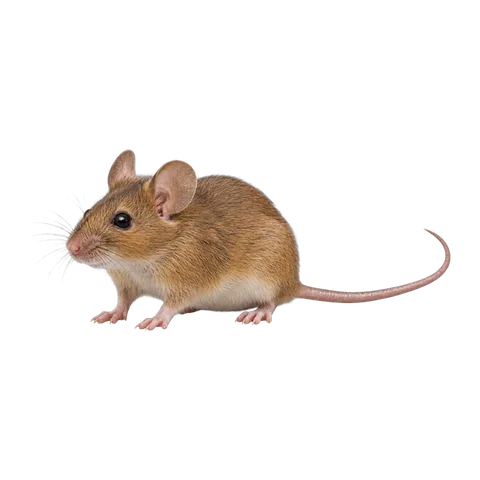
If you find signs of mice, rats, cockroaches or flies, call a professional before the next inspection, not after. A technician can treat the problem, find where pests are getting in and give you a written record of the visit.
We offer free quotes and aim to visit the same or next day. Contract customers pay by invoice. You can also WhatsApp us a photo of what you found for a fast answer.