Harlequins and native ladybirds
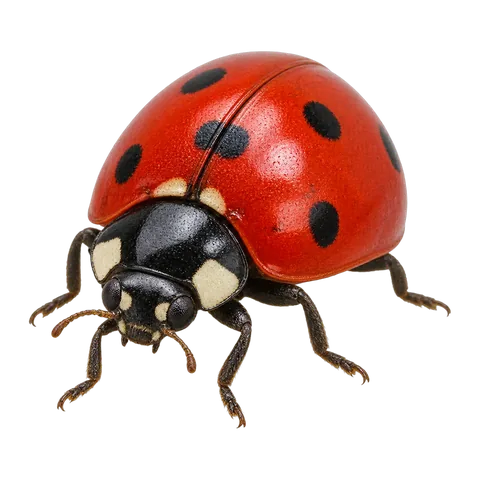
The ladybirds that cluster in UK homes are mostly harlequins, a species that arrived in Britain in the early 2000s. They are slightly larger than most native ladybirds and vary a lot in colour, from orange with many black spots to black with two or four red spots. Many have a white patch on the back of the head with a black M or W shape.
Native ladybirds, such as the 7-spot, usually spend the winter outdoors in leaf litter, hedges and plant stems. A large cluster indoors is very likely to be harlequins.
Why they gather in homes
In October and November, harlequins look for sheltered, dry places to spend the winter. They are drawn to pale walls in the sun, often on the south or west side of a building, and squeeze through gaps around window frames, under fascias and into lofts. Once a few settle, they leave a scent that draws others, and the same spots are often used year after year.
In heated homes, some wake early on warm days in late winter and spring. That is when people find them on window sills, ceilings and light fittings in rooms below a loft or next to a cluster.
Problems clusters cause
- When disturbed, harlequins release a yellow fluid that smells unpleasant and can stain walls, curtains and fabrics.
- Large numbers in a loft or wall void leave a musty smell and dead ladybirds behind.
- They can give a small nip, which may irritate the skin of some people.
- Some people react to them with sneezing, itchy eyes or other allergy symptoms.
Removing a cluster
Do not squash or sweep them, as this releases the staining fluid. A vacuum cleaner with a stocking or a thin cloth held over the end of the hose collects them without harm. Tip the contents into a bag or container and take them outside, away from the house, or seal the bag and put it in the bin.
Wipe the spot where they gathered with warm soapy water to reduce the scent that draws more of them back.
Keeping them out next autumn
Once the ladybirds have gone, seal gaps around window frames and door frames with a flexible sealant. Fit fine mesh over vents where they get into lofts, and check the gaps between fascia boards and the wall. September is the time to check, before the autumn clusters begin. Fly screens on windows that are often open in early autumn also help.
When to call a professional
Call a professional if clusters return each year in large numbers, if they are in a loft or wall void you cannot reach, or if someone in the house reacts to them. A technician can remove the clusters, treat the frames and voids they use and point out the gaps to seal.
Quotes are free with no call-out charge, and if they come back within 90 days of the last treatment, the return visit is free. Send a photo on WhatsApp if you want to check whether your ladybirds are harlequins.