
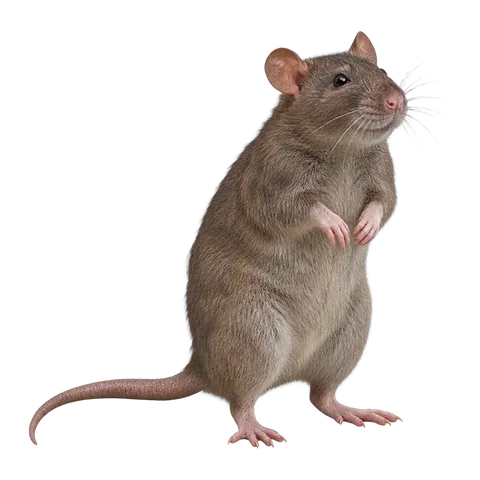
Why rats visit gardens
Brown rats live alongside people in towns and the countryside, and gardens give them food and cover. A rat seen crossing a lawn is often passing between a food source and a burrow, a drain or a neighbour's garden. It stays when it finds regular food and a safe place to dig. Rats breed all year, so a pair that settles under a shed in spring can be a family group by summer.
Where rats nest outdoors
Rats choose sheltered spots close to food. Check these places for burrows, runs and droppings:
- Under sheds, decking and garden buildings.
- In and under compost heaps, especially open heaps with food waste in them.
- Along fences and walls where plants give cover.
- In woodpiles, rubble and stored materials.
- Near chicken runs, rabbit hutches and bird feeders.
- Around broken drains and inspection chambers.
Risks to people and pets
Rats can carry bacteria that cause Weil's disease (leptospirosis) and salmonella, spread mostly through their urine and droppings. Wear gloves when gardening where rats have been, cover any cuts and wash your hands afterwards. Keep sandpits covered and wash vegetables from the garden well.
Dogs that dig or hunt can come into contact with rats, or with poison that someone else has put down, so any treatment needs to keep bait out of their reach.
What you can do yourself
Start with food. Move bird feeders or fit trays, sweep up spilt seed, keep chicken feed in a metal bin overnight and stop putting cooked food on the compost. Turn the compost often, as rats prefer heaps that are left alone. Clear clutter, cut back dense plants against walls and fix fine mesh across the gaps under sheds.
Snap traps set inside a covered box or tunnel can deal with one or two rats. Place them where children, pets and birds cannot reach. Glue traps need a licence in England and are banned in Wales and Scotland.
Working with neighbours
Rats move between gardens, so a problem in yours may start a few doors down. If you share a fence, it helps to agree on bird feeding, compost and bins with the people next door. Public sewers are the responsibility of the water company, so report rats coming from them there. Your local council may also be able to give advice.
When to call a professional
If rats are burrowing close to the house, getting under the floor or into a shed or garage, or are still about a few weeks after you have removed the food, a treatment is usually the quickest way to clear them. We place bait or traps in locked boxes, follow CRRU stewardship rules and take everything away at the end. If rats come back within 90 days of the last treatment, the return visit is free.