When gulls nest
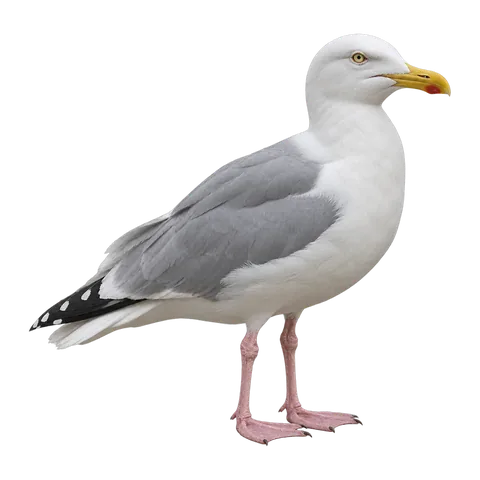
Gulls in UK towns usually start building nests in April and May. They choose flat roofs, the valleys between pitched roofs, chimney stacks and the space behind parapet walls. Eggs are laid in May and June, and chicks stay on or near the roof until they can fly, often into August.
Many pairs return to the same roof each year. A nest you see this spring is a good sign of where the gulls will try again next season.
What the law says
All wild birds, gulls included, are protected under the Wildlife and Countryside Act 1981. It is an offence to take, damage or destroy an active nest, or to take or destroy eggs. The herring gull is also a species of conservation concern in the UK.
In practice this means a nest that is being built, or that has eggs or chicks, has to be left until the young have left. Gull control on homes and businesses is done with proofing and deterrence outside the nesting season. If you are unsure whether a nest is still active, leave it and get advice.
Living with an active nest
- Expect noise from first light, especially once the chicks hatch.
- Adults guard chicks by swooping at people near the nest; wear a hat and avoid the area if you can.
- If a chick falls to the ground, leave it where it is unless it is in danger, as the parents usually keep feeding it.
- Do not feed gulls in the garden, and keep food waste and bins closed.
- Keep a note of where the nest sits so it can be dealt with in the autumn.
Damage gulls cause
Nesting material can block gutters, downpipes and roof outlets, which leads to water backing up on flat roofs. Droppings build up on roofs, solar panels, windows and cars, and can wear roof coverings over time. Large amounts of droppings need cleaning with protective kit, as they can carry bacteria.
Proofing the roof
The best time to proof is from September to February, once the young have gone and before the next season starts. Options include netting over flat roofs and roof valleys, sprung wires along ridges and parapets, and spikes on chimney tops and ledges. The aim is to make the roof unsuitable so the gulls nest somewhere else.
Proofing one part of a roof can push the birds to another part, so it is worth looking at the whole roof, including chimneys, dormers and any extensions, before work starts.
When to call a professional
Get in touch once you know a nest is there, even if nothing can be done until the season ends. A survey in summer lets you plan proofing for the autumn and book it before the next spring. Work on roofs needs access equipment and has to be fitted so it does not damage tiles or the roof covering.
We survey and fit gull proofing, and clean droppings from roofs and panels once the birds have gone. Quotes are free with no call-out charge. If you are not sure whether you have a nest, send us a photo of the roof on WhatsApp.