Why chimneys attract birds and squirrels
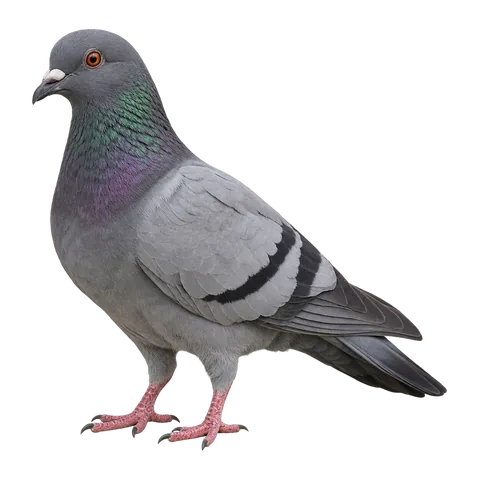
An open chimney pot is a dry, sheltered hole high above the ground. Jackdaws like it so much that they drop sticks down the flue until some lodge on a ledge or bend, then build a nest on top. Starlings and pigeons use them too.
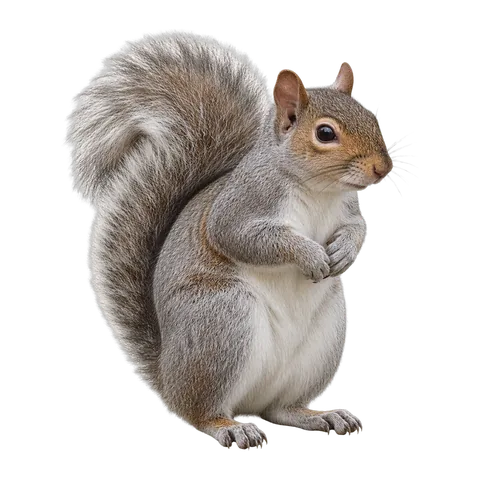
Grey squirrels climb onto roofs from nearby trees and fences. They explore pots and flues, and sometimes fall down a chimney and cannot climb back out. A squirrel can end up in the fireplace, in the space behind a boarded-up fireplace, or stuck on a ledge inside the flue.
Signs something is in the chimney
Most people notice sounds first. Check for these in spring, and again before the first fire of the autumn.
- Scratching, fluttering or chattering inside the chimney breast, often early in the morning.
- Twigs, soot or feathers falling into the grate.
- Birds flying in and out of the pot, or sitting on the stack for long periods.
- Smoke filling the room the last time a fire was lit, which can mean the flue is partly blocked.
- A bad smell from the fireplace, which can come from a dead bird or squirrel in the flue.
Nests and the law
Wild birds and their nests are protected by law while the nest is being built or used, under the Wildlife and Countryside Act 1981. That means you should not remove a nest with eggs or chicks in it, block the pot while birds are using it, or light a fire to drive them out.
Once the young have left, the nest can be removed. For jackdaws that is usually by mid-summer. Autumn is a sensible time to deal with old nests, as long as nothing is still using them.
Before the first fire of winter
If the chimney has had birds in it, or you have not used it for a year or more, have it swept before you light a fire. A sweep will clear old nest material, soot and debris and tell you if the flue is in a fit state to use. A blocked flue can push smoke and carbon monoxide back into the room, and dry nest material can catch fire.
Fit a carbon monoxide alarm in any room with a working fire or stove, and test it regularly.
A squirrel or bird trapped in the fireplace
If an animal has come down into the room, close the doors to the rest of the house, open a window wide and leave the room quiet. Most birds and many squirrels will find the way out within an hour or so. Do not try to grab a squirrel, as they bite and scratch.
If a squirrel is stuck behind a boarded fireplace or inside the flue, it needs to be removed. Grey squirrels are listed on Schedule 9 of the Wildlife and Countryside Act 1981, so one that has been caught must not be released back into the wild.
Capping the chimney
The lasting fix is to stop animals getting into the pot. Chimneys you use need a bird guard or cowl made for working flues, so smoke and gases can still escape. Chimneys you no longer use can be capped with a ventilated cap, which keeps rain and birds out and lets air move through the flue to limit damp.
Fit guards outside the nesting season, and only after the chimney has been checked and swept. Cutting back branches that touch the roof helps keep squirrels off.
When to call a professional
Call us if you think a squirrel is living in or around the chimney, if one is trapped and you cannot reach it, or if birds keep returning to the stack each year. We can confirm what is there, remove squirrels by legal methods and fit bird guards or proofing once the chimney is clear and any nest is no longer in use.
Quotes are free and there is no call-out charge. If you can, send a photo of the chimney pot on WhatsApp so we can tell you what is likely to be needed before we visit.