What booklice are
Booklice are tiny wingless insects, 1 to 2 mm long and pale grey or light brown. They move in quick, jerky bursts and are easiest to see on white surfaces such as window sills, tiles and the inside of cupboards. Despite the name, they are not lice. They do not bite people or pets and are not known to spread disease.
They feed on microscopic moulds that grow in damp conditions. That is why they turn up on old books and papers in damp rooms, and also on fresh plaster.
Why new homes get them
A newly built or newly renovated house holds a lot of water. Plaster, screed, mortar and concrete dry out over many months, and the moisture they give off raises the humidity indoors. Mould grows on surfaces in amounts too small to see, and booklice feed on it.
They often arrive in furniture, cardboard boxes or packets of food, and the damp conditions let their numbers build. Many people first notice them in the first winter, when windows stay shut and condensation forms on cold glass.
Where to look
- Window sills and frames where condensation collects.
- Behind and under kitchen units, especially against new walls.
- Inside packets of flour, cereal, pasta and other dry food.
- Behind wallpaper and skirting boards, and inside fitted wardrobes.
- Cardboard boxes left from the move, and stacks of paper or books.
Drying the house out
The fix is lower humidity. Booklice do not survive long in dry air, and the mould they feed on stops growing.
Heat the house steadily, keep trickle vents open and run extractor fans in the kitchen and bathroom. A dehumidifier helps a great deal in the first year. Wipe condensation from windows each morning, and keep furniture a few centimetres away from external walls so air can move behind it.
Unpack and recycle cardboard boxes. They hold moisture and give booklice somewhere to hide.
Food cupboards
Throw out any packets with live insects in them. Empty the cupboard, vacuum the corners and shelf peg holes, wipe the shelves with a mild detergent and let them dry fully before you restock. Keep dry food in airtight containers, which keeps booklice out and stops the food taking on moisture.
Sprays and treatments
Insecticide rarely solves booklice on its own, because new ones keep breeding while the house is damp. Once the humidity drops, most infestations fade over a few weeks.
If you can see damp patches, mould or water staining, have the cause checked. A leaking pipe, a failed seal around a window or a blocked gutter can keep a wall wet long after the plaster should have dried.
When to call a professional
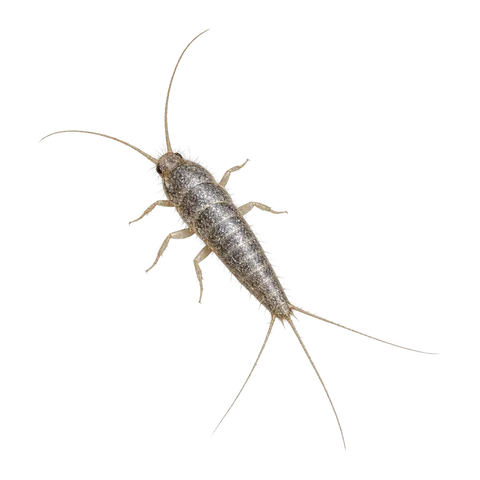
If numbers stay high after a few weeks of drying the house, or you are not sure whether you have booklice, silverfish or something else, a technician can identify them and look for damp spots that keep them going. A photo sent on WhatsApp is often enough for a first answer.
Our quotes are free and there is no call-out charge.