What silverfish are
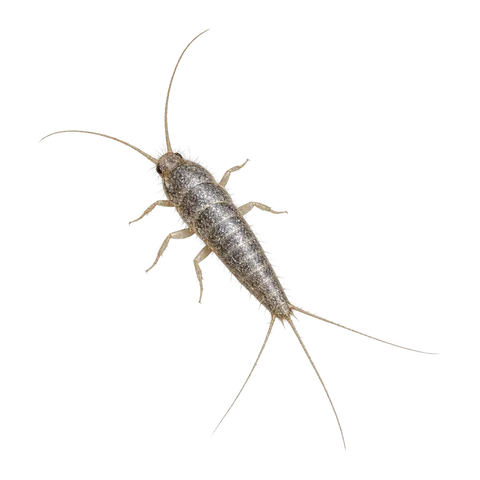
Silverfish are small, wingless insects about 1 cm long, with a silver-grey, scaly body that tapers to three thin tails. They move with a fast, wriggling run and come out mostly at night. Many people first notice one when they switch on the bathroom light and it darts under the bath panel.
They do not bite, sting or spread disease. They eat starchy things such as paper, wallpaper paste, the glue in book spines, flakes of skin and mould. In large numbers they can mark paper and fabric, but the main reason to deal with them is what they tell you about the room.
Why bathrooms suit them
Silverfish need damp air to survive. A bathroom with no window, a weak extractor fan or a shower used several times a day can stay humid for hours. Water that seeps behind tiles or under the bath through failed sealant keeps the hidden spaces damp all the time.
They hide in the dark gaps close to that moisture: behind the bath panel, under the shower tray, in cracked grout, behind skirting boards and around pipes where they come up through the floor.
Grey silverfish and lookalikes
A larger species, the grey silverfish, has spread through UK homes in recent years. It grows up to about 2 cm long, looks greyer and more hairy, and has long tails. It copes with drier air than the common silverfish, so it also turns up in bedrooms, hallways and living rooms.
Firebrats look similar but are browner and prefer warm spots near boilers and ovens. Booklice are much smaller and paler, have no tails and feed on mould on damp paper and food packets. Knowing which you have helps you decide what to change.
Making the bathroom drier
- Run the extractor fan during every shower and for at least 15 minutes after. If it does not clear the steam, have it checked or replaced.
- Open the window after bathing where there is one, and leave the door open so the room can dry.
- Wipe the tiles and shower screen after use, and dry the floor.
- Replace cracked grout and failed silicone round the bath, basin and shower tray so water cannot get behind.
- Fill gaps around pipes and along the skirting with sealant.
- Keep spare toilet rolls, magazines and cardboard out of the bathroom, or store them in sealed plastic tubs.
- Treat mould on ceilings and grout, as it is a food source.
Home products
Small cardboard insect monitors placed under the basin and behind the toilet show where silverfish are moving and roughly how many there are. A dehumidifier helps in a bathroom that will not dry out. Shop sprays kill the insects they touch but rarely reach the cracks where most of them live, so numbers tend to return within weeks while the damp remains.
When to call a professional
A few silverfish in a bathroom are common and usually dwindle once the room stays drier. Call a professional if you are seeing them in several rooms, if numbers stay high after a few weeks of drying the room out, or if they are damaging books, papers or stored items. Grey silverfish are especially hard to clear with home products.
A technician places gel bait in the cracks and behind units where they hide, out of reach of children and pets, and shows you which damp spots to deal with. Quotes are free, there is no call-out charge, and our phone lines are open from 7am to 10pm if you would like to talk it through first.