Why woodlice come indoors
Woodlice are crustaceans, related to crabs and shrimps. They lose water quickly through their shells, so they need damp places to live. In gardens they are useful, breaking down dead leaves and rotting wood.
Indoors they usually wander in by accident, under doors, through air bricks or through gaps at the base of walls. Most dry out and die within a day or two in a heated room. If you keep finding live ones in the same place, something there is staying damp.
Where they turn up
- Ground-floor rooms with suspended timber floors, especially near external walls.
- Bathrooms and kitchens with leaking pipes, failed sealant or wet floors under appliances.
- Conservatories and utility rooms, where condensation runs down to the floor.
- Behind skirting boards on walls with rising or penetrating damp.
- Near back doors and patio doors where soil, paving or decking sits against the wall.
Finding the damp
Look where they gather. Press the skirting and floorboards nearby, as soft or crumbly wood may be rotting. Outside, check whether a raised patio, flower bed or heap of soil sits above the damp-proof course, which lets water into the wall. Look under the bath and sink for slow leaks, and check the gutters and downpipes above the area.
Woodlice do not damage sound timber. Wood that is already wet and soft can attract them, though, and the same conditions suit fungal rot and woodworm, so it is worth finding the cause.
Keeping them outside
Move plant pots, log piles, compost and stacked wood away from the walls of the house. Keep soil and bark mulch below the level of air bricks and the damp-proof course. Fit brush strips to the bottoms of external doors and fill gaps where skirting meets the floor.
Inside, ventilate kitchens and bathrooms, mop up spills under the washing machine and run a dehumidifier in rooms that stay damp. As a room dries, woodlice stop arriving.
Telling woodlice from other pests
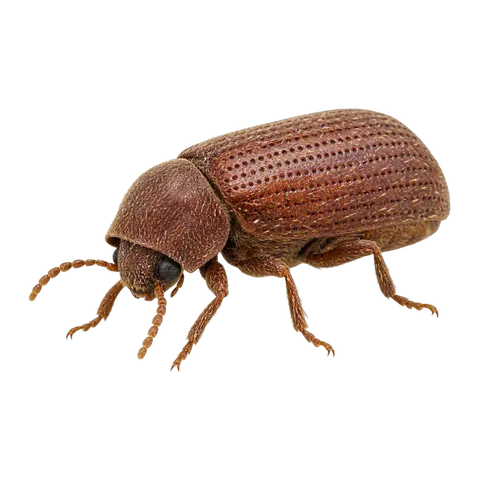
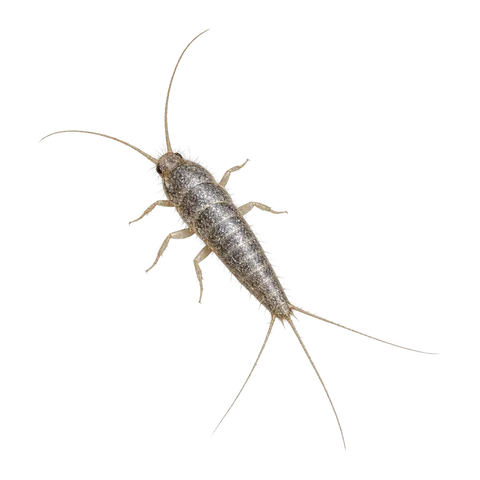
Woodlice are grey or brown, up to about 1.5 cm long, with a hard, segmented shell and seven pairs of legs. Some kinds roll into a ball when touched. Silverfish also like damp, but they are silvery, carrot shaped and fast, with three bristles at the tail. Small, hairy brown larvae on dry carpets and fabrics are more likely to be carpet beetles.
Sprays and powders
Insecticide does little here. More woodlice will come in while the damp remains, and the damp is what needs fixing. Sweep or vacuum up the ones you find and tip them outside. You may also notice spiders in the same corners, as some species feed on woodlice.
When to call a professional
Woodlice on their own rarely need a pest treatment. It is worth getting help if you find soft or damaged timber, insects you cannot identify, or signs of something else such as silverfish or mice. A technician can inspect and tell you what they find, and our quotes are free.
If you want a quick opinion first, send us a photo on WhatsApp.