The cause of the damage
The damage comes from the larvae, not the adult moths. Larvae feed on keratin, a protein found in wool, silk, cashmere, fur, feathers and leather. Clothes with sweat, skin oils or food marks on them are more likely to be eaten.
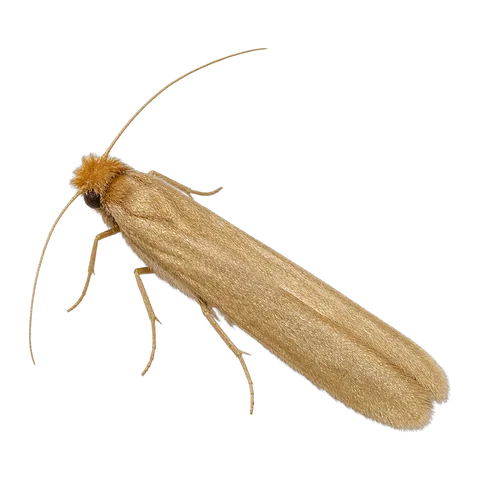
Two species cause most of the trouble in the UK: the common clothes moth and the case-bearing clothes moth. Both are small, around 6 to 8 mm long, and pale golden or buff in colour. They avoid light and often scuttle away when disturbed.
Signs of clothes moths
- Small, irregular holes in jumpers, scarves and suits, often in hidden places such as under collars and arms.
- Fine silky webbing or small tube-shaped cases on fabric.
- Tiny cream-coloured larvae with brown heads.
- Gritty droppings the same colour as the fabric they have eaten.
- Bald patches in wool rugs and carpets, especially under beds and along skirting boards.
Cleaning and storage
Wash or dry clean clothes before you put them away for the season. Moths are drawn to soiled fabric, and washing removes eggs and larvae. If the care label allows, a hot wash kills all stages.
Store wool and silk in sealed plastic boxes or zipped garment bags. Vacuum inside wardrobes and drawers a few times a year, including the corners and the gap along the base. Wearing and moving clothes regularly helps too, as moths prefer items left alone for months.
Treating items you suspect
If you find damage, check everything stored nearby. Items that cannot be washed hot can go in a sealed bag in the freezer for about a week to kill eggs and larvae. Let them come back to room temperature before you open the bag, so condensation does not form on the fabric.
Vacuum the whole wardrobe, the drawers and the carpet under the furniture, then empty the vacuum outside. Check wool rugs, cushions and old blankets, which are often where an infestation starts.
Traps and deterrents
Pheromone traps attract male moths. They show whether moths are present and where, but they do not clear an infestation on their own because the females keep laying eggs. Place them in wardrobes and rooms where wool is stored, and replace them as the packet directs.
Cedar and lavender have a mild repellent effect at best, and they do not kill larvae already in the fabric. Use them alongside cleaning and sealed storage, not as the only measure.
When to call a professional
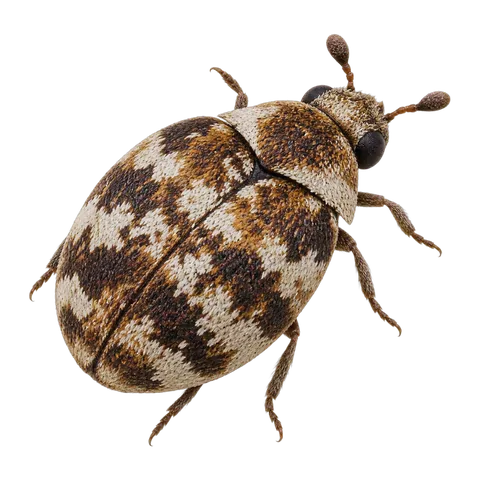
Call a professional if you keep finding new holes after cleaning, if moths are in carpets across several rooms, or if valuable textiles are at risk. Carpet beetle larvae cause similar damage, and a technician can confirm which pest you have before treating.
Send a photo of the damage or larvae on WhatsApp for a fast answer. Quotes are free, there is no call-out charge, and pest treatments include a free return visit within 90 days.