What pantry moths are
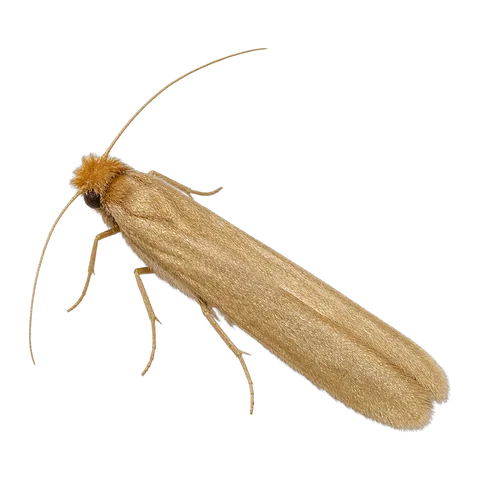
The most common pantry moth in UK homes is the Indian meal moth. It is about 1 cm long, and its wings are pale grey near the body and coppery brown towards the tips. Adults fly in a zigzag around the kitchen in the evening, or rest on the ceiling and cupboard doors.
The adults do not feed. The damage is done by the larvae, small cream caterpillars with a darker head, which live inside dry food and spin silk as they move through it.
Foods they infest
- Flour, semolina, breakfast cereal and porridge oats.
- Rice, pasta and dried pulses.
- Nuts, seeds, dried fruit and chocolate.
- Spices, dried herbs and loose tea.
- Pet food, bird seed and fish food.
- Dried flowers and pot pourri.
Finding the source
Take everything out of the cupboard where you see most moths. Look inside each packet for silk webbing, clumps of food stuck together, small caterpillars or cocoons. Check the folds of paper bags and the inside of lids. Larvae often leave the food to pupate, so also check the corners of shelves, the shelf peg holes, door hinges and the gap where the cupboard meets the ceiling.
Think beyond the kitchen. One forgotten bag of bird seed in the garage or a sack of dog food in the utility room can feed a whole infestation.
Clearing the cupboard
Bin anything with webbing or larvae, sealed in a bag and taken straight to the outside bin. Packets that look clean but were in the same cupboard can go in the freezer for about a week to kill any eggs.
Vacuum the shelves, corners, peg holes and hinges, then empty the vacuum outside. Wipe everything with warm soapy water and let it dry fully before you put food back. Insect sprays are not needed in food cupboards and are best kept away from food.
Keeping them away
Store dry food in glass jars, metal tins or hard plastic boxes with tight lids. Larvae can chew through thin plastic bags and cardboard. Buy dry goods in amounts you will use within a few months, use older stock first and look over new packets when you unpack the shopping, as eggs can already be inside.
Pheromone traps help you spot moths early and show whether the problem is over. They catch males only, so they will not clear an infestation on their own.
When to call a professional
Most pantry moth problems end once the source is gone. If moths keep appearing after a full clear-out, the source may be somewhere you have not checked, such as a wall void, a bulk store or a neighbouring flat. Food businesses have a duty to keep premises free of pests, and a technician can inspect stores and set up monitoring.
Our quotes are free and we aim to visit on the same or next day. If you are not sure whether you have pantry moths or clothes moths, send us a photo on WhatsApp.