What the smell is
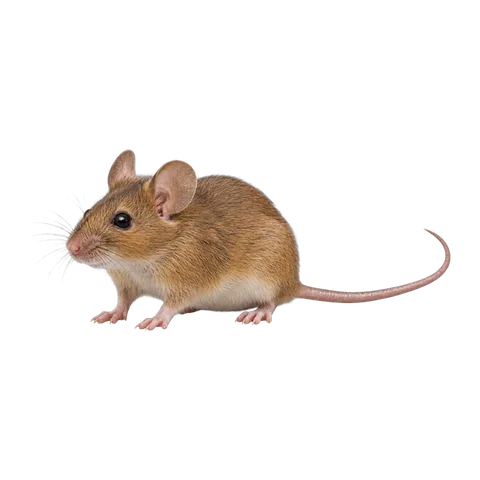
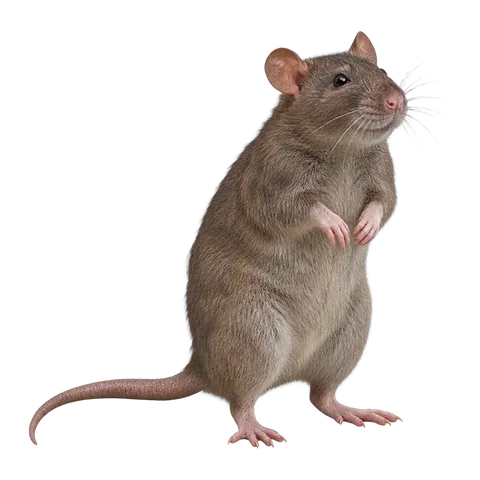
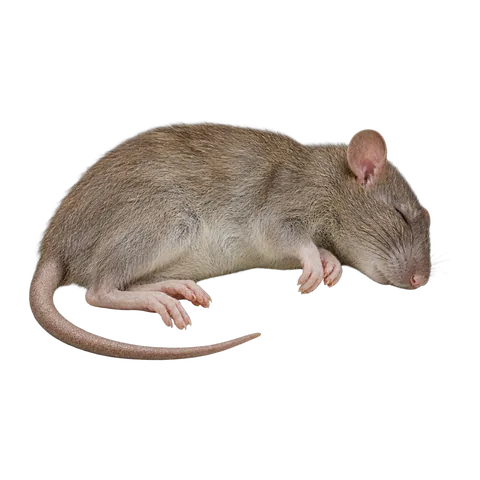
A dead animal gives off a sweet, heavy, rotting smell that is hard to mistake once you have met it. It is usually strongest in one room or along one wall, and gets worse in warm weather or when the heating is on. The animal is most often a rat or mouse, sometimes after poison has been laid nearby, but it can be a bird trapped in a chimney or a squirrel in the loft.
If the smell is of rotten eggs, treat it as a possible gas leak: leave the property and call the National Gas Emergency Service. A sewage smell near a sink or toilet may point to a dry trap or a drain fault.
Other signs nearby
- Bluebottles or other large flies appearing in one room, often at the window, with no clear reason.
- A damp or brown stain on a ceiling or wall that was not there before.
- Scratching or scurrying that stopped a few days before the smell started.
- Droppings or gnawing in the kitchen, loft or under the stairs.
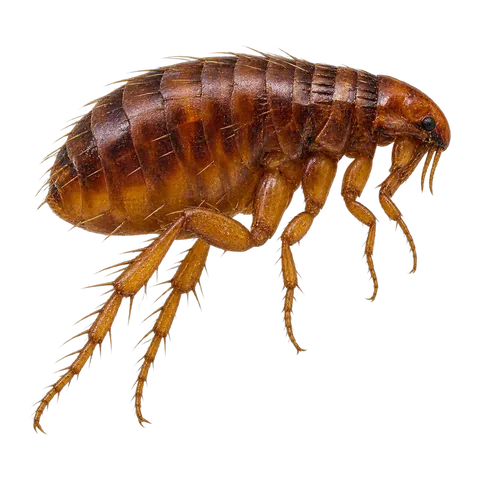
- Small maggots or pupae coming out from under skirting boards or kitchen kickboards.
Finding the source
Walk the room slowly and follow your nose along walls, skirting boards and the floor. The smell is often strongest near a gap, such as the kickboard under kitchen units, the boxing around pipes, an airing cupboard or a loft hatch. Check the loft and any floor hatch with a torch, and look around the boiler and the space behind the bath panel.
Do not cut into walls, ceilings or floors to look. Pipes and cables run through these voids, and the animal may be a short distance from where the smell seems strongest.
Waiting it out
A dead mouse in a wall may smell for one to three weeks before it dries out. A rat or a larger animal takes longer and attracts more flies. Opening windows and keeping the room cooler helps while you wait, but air fresheners only add a second smell on top. If the smell is in a kitchen, a bedroom or a room you cannot avoid, waiting is often not practical.
Removing it and cleaning up
If you can reach the animal, wear disposable gloves and a mask, lift it with a bag turned inside out and seal it in a second bag before it goes in your outside bin. Clean the spot with disinfectant and throw away soiled insulation or cardboard. Wash your hands well afterwards.
A dead rodent means there were live ones. Look for how it got into the void, and check for other signs of activity in the house, so the problem does not repeat in a few weeks.
When to call a professional
Call a professional if you cannot find the animal, cannot reach it, or the smell is affecting how you use the house. A technician can trace the source, open up the smallest area needed once you have agreed it, remove the carcass, disinfect the spot and treat the smell. They can also check for live rodents and the gaps they used.
Quotes are free and there is no call-out charge, and we aim to visit the same or next day. If you are unsure whether the smell is an animal, describe it on WhatsApp and send a photo of any stains or flies, and we will tell you what it is likely to be.