The legal duty
Food hygiene law in the UK requires food businesses to keep their premises clean, in good repair and free from pests. Businesses must have procedures to prevent pests and to deal with them if they appear. This applies to restaurants, takeaways, cafes, shops, manufacturers and home-based food businesses.
Environmental health officers (EHOs) from the local council inspect food premises. Evidence of pests affects your food hygiene rating, and a serious infestation can lead to the premises being closed until the problem is fixed.
Proofing and the building
An EHO will look at how pests could get in. Gaps under doors, holes around pipes, damaged drains and opening windows with no fly screens are common problems. Doors should close fully, and brush strips help seal the gap at the base.
Inside, they check that walls, floors and ceilings are in good repair, with no holes behind equipment where pests could live. The areas under and behind fridges, ovens and shelving need to be reachable for cleaning.
Cleaning, storage and waste
Food should be stored in sealed containers, off the floor, with stock rotated. Spills and food debris should be cleaned up promptly, including behind and under equipment. Deliveries should be checked for signs of pests before they are put away.
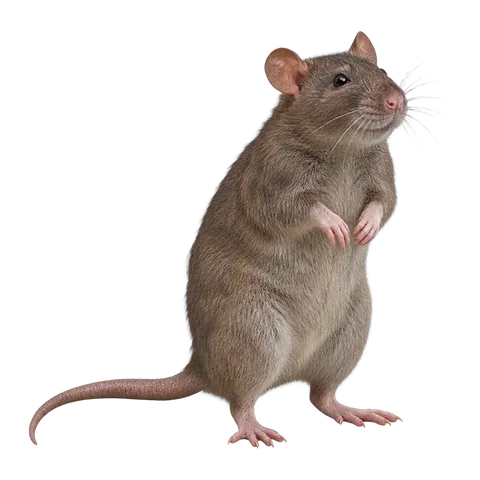
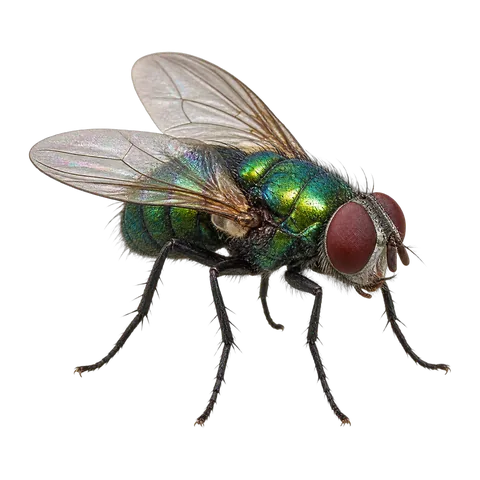
Bins need tight-fitting lids and should be emptied often. Outside bin areas should be kept clean and away from doors. Grease traps and drains need regular cleaning, as both attract flies, cockroaches and rats.
Records an inspector may ask for
An EHO will want to see that your pest control is planned and checked. The law does not say you must use a pest control contractor, but you do need effective procedures and evidence that they are followed. Many businesses use a contract because it gives a clear paper trail.
- A pest control plan or contract showing how often checks take place.
- A site plan marking bait boxes, monitors and fly control units.
- Visit reports with findings, treatments used and recommendations.
- A log of sightings by staff and what was done about them.
- Evidence that proofing and hygiene recommendations were acted on.
- Safety data sheets for any products used on site.
Staff checks
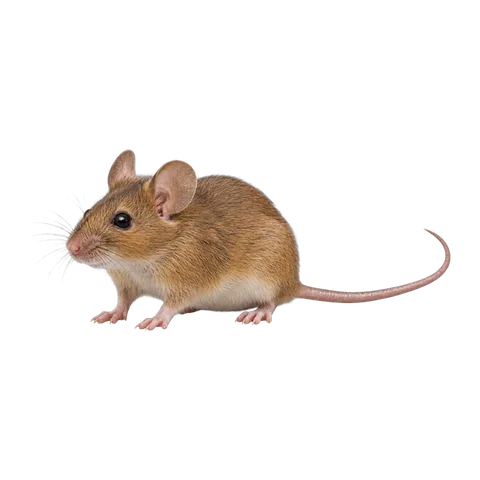
Staff are often the first to see signs. Train them to look for droppings, gnaw marks, insects, damaged packaging and smears along walls, and to report anything straight away. A short opening and closing check, recorded in your food safety management system, shows an inspector that someone is watching.
When to call a professional
Call a professional straight away if you or your staff find droppings, live insects or gnaw marks, or before an inspection if your pest records are incomplete. Quick action limits the risk to food and to your rating.
We offer free quotes with no call-out charge and aim to visit on the same or next day. Pest treatments include a free return visit within 90 days, and we can come in an unmarked van if you would prefer customers not to see a pest control vehicle outside.