Why birds move into warehouses
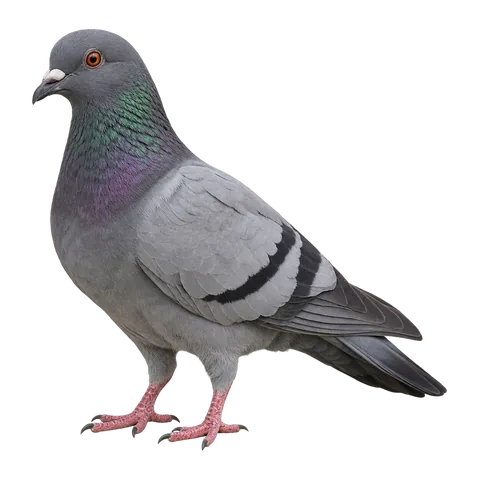
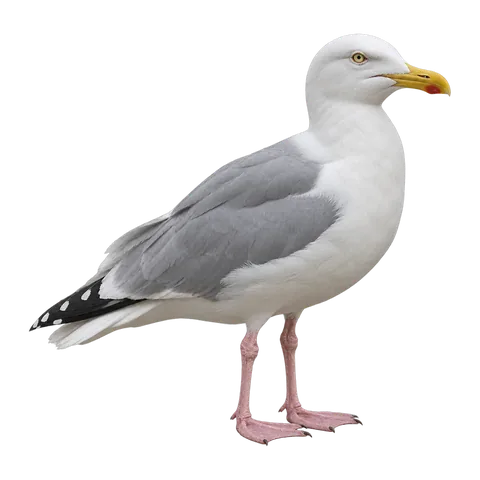
Large sheds give birds shelter, height and a place to roost out of the weather. Open dock doors let them fly straight in, and spilled grain, packaging and food waste give them something to eat. Pigeons are the most common, but sparrows, starlings and gulls also come in, especially on sites near water or open land.
Once a few birds start roosting in the roof steelwork, others follow, and the problem grows quickly. Birds that have roosted in a building for a long time are slow to give it up, so early action makes proofing easier.
The problems birds cause
The issues go beyond mess on the floor.
- Droppings on stock, pallets and packaging can lead to rejected loads and complaints.
- Fouling on walkways and stairs makes floors slippery.
- Droppings and nesting material can carry bacteria and fungal spores, and bird mites can spread from old nests.
- Nests block gutters, vents and roof drains.
- Birds flying low around forklifts and lorries distract drivers.
What the law allows
Wild birds, their eggs and active nests are protected under the Wildlife and Countryside Act 1981. On commercial sites, birds are controlled by proofing and deterrence. Before any work, a survey checks for active nests. If birds are nesting, proofing that would affect the nest is planned for after the young have left.
Proofing options
The right choice depends on the building, the type of bird and how the site is used. A survey usually leads to a mix of these.
- Netting fixed under the roof steelwork, so birds cannot reach their roosting spots.
- Spikes or wire systems on beams, ledges, signs and lights.
- Strip curtains or fast-closing doors on loading bays that stay open for long periods.
- Mesh over vents, gaps at the eaves and holes in cladding.
- Birds of prey flown on site, to discourage gulls and pigeons from settling on roofs and yards.
Birds already inside
If birds are trapped inside, they can often be guided out through open doors when the building is empty and the lights near the exit are off. Proofing is fitted once the birds are out, so they are not shut in. Never block a gap while birds may still be roosting or nesting behind it.
Cleaning up
Once the building is proofed, droppings and old nests should be removed by a team using the right protective equipment, as dried droppings release dust when disturbed. Clean surfaces also make it easier to see whether birds are getting back in.
When to call a professional
Call a professional if birds are roosting inside, fouling stock or nesting in roof voids or gutters. A technician can survey the site, check for nests and plan proofing around your working hours, including work at height.
Surveys and quotes are free. Bird control can be added to a pest control contract, and contract customers pay by invoice.