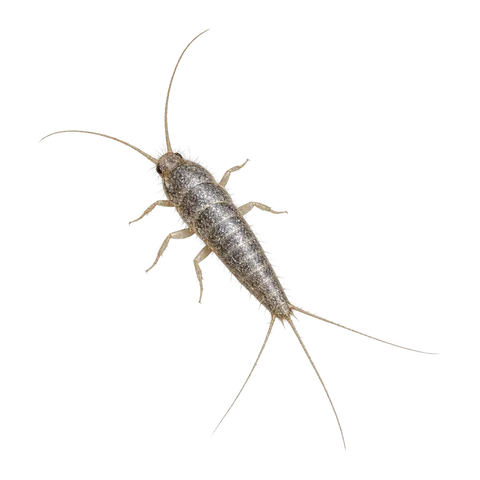
What woodworm is
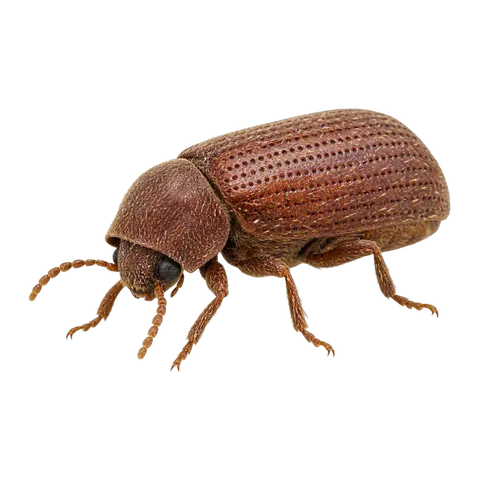
Woodworm is the larva of a wood-boring beetle. In most UK homes it is the common furniture beetle. The larvae spend several years feeding inside timber, then turn into adult beetles that chew their way out, leaving a round exit hole about 1 to 2 mm across.
The holes you can see are where adults have left. The feeding happens inside the wood, out of sight, so the holes on their own do not tell you whether the problem is still going on.
Signs that woodworm is active
- Holes with sharp, clean edges and pale wood showing inside. Old holes tend to look dark and dusty, or have paint or polish in them.
- Frass, a fine and gritty dust like pale sawdust, on the timber below the holes or on the floor. Fresh frass is light in colour and gathers in small heaps.
- Small brown beetles on windowsills or near timber in late spring and summer, when the adults emerge.
- Timber that feels soft or crumbles at the edges when you press it with a screwdriver.
- New holes in timber where you have not seen them before.
A test you can do yourself
If you are not sure, mark the timber and wait through a summer. Cover a patch of holes with masking tape, a thin coat of wax polish or a dab of paint, and take a dated photo. Lay a sheet of dark paper below the timber to catch any frass.
Adult beetles come out mainly between May and August. If new holes break through the tape or polish, or fresh frass lands on the paper, the woodworm is active. If nothing has changed after a full season, the holes are probably old.
Damp and other beetles
Furniture beetles prefer damp timber, so active woodworm is often near a roof leak, a blocked gutter, a damp floor void or a loft with poor ventilation. In a dry, heated home, an old outbreak often dies out on its own. Fixing the damp matters as much as treating the wood.
Larger holes, about 3 mm across, in old oak beams may be deathwatch beetle, which needs a different approach. Large oval holes in softwood roof timbers can point to house longhorn beetle, found mostly in parts of Surrey. Both are worth having looked at by someone who knows timber.
Mortgage surveys and past treatments
A surveyor who sees holes in a loft or under floorboards will often recommend a timber survey, even when the holes look old. This is a normal step in buying a house. A timber survey checks for fresh holes and frass and takes moisture readings to show whether treatment is needed.
If the timber was treated in the past, ask the seller for the paperwork. Treated holes stay visible, and records help show the activity was dealt with.
When to call a professional
Call a professional if you find fresh frass or pale new holes, if structural timber such as joists or stair strings feels soft, or if a survey has flagged woodworm and you want to know more. Old holes in dry timber with no other signs can usually be left alone.
Our timber survey includes moisture readings, and you get a written report of what we treat. We use a water-based insecticide, and the area can be used again once the timber is dry, usually within a few hours. Before treating a loft, we check for bats, which are protected by law, and stop to get advice if any are present. Quotes are free and there is no call-out charge.