Why autumn
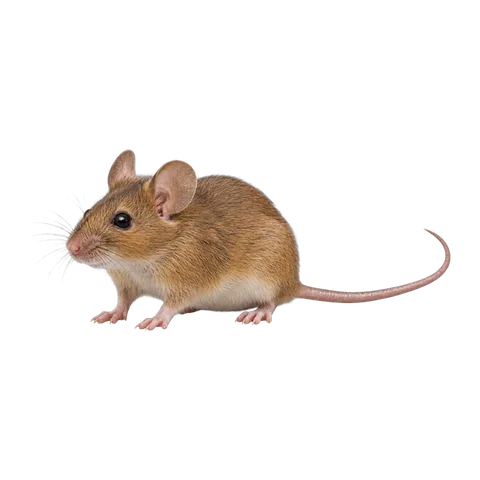
Through spring and summer, house mice and wood mice find food and shelter outdoors. When the nights get colder and seeds and insects run short, they look for somewhere warm and dry. Homes, garages and sheds are close to hand, and a mouse can get through a gap about the width of a pencil.
Wood mice often come in for the winter and live mainly in lofts, garages and under floors. House mice are more likely to settle in kitchens and breed all year if they find food.
Where new arrivals go
In the first weeks, mice tend to stay close to where they got in and close to warmth. Check these spots first.
- Under and behind kitchen units, in the space behind the kickboards.
- Around the boiler, hot water cylinder and airing cupboard.
- Behind the fridge, freezer and washing machine, where motors keep things warm.
- In the loft near the eaves, and in stored boxes of clothes or paper.
- Under the stairs and inside built-in cupboards.
- In the garage, around stored food, bird seed and garden cushions.
The first signs
Small dark droppings, a few millimetres long, are usually the first sign. You may also notice a nibbled corner of a cereal box, scattered bits of paper or insulation, or light scratching in a ceiling after dark. A musky smell in a cupboard is more common once there are several mice.
Clean up the droppings you find, wearing gloves and wiping with disinfectant, then check again a day or two later. New droppings show you where the mice are most active and that they are still there.
Acting in the first fortnight
Mice breed quickly, and a female can have a new litter every few weeks. That is why the first fortnight matters.
Set snap traps along the walls where you found droppings, with the trigger end against the wall. Use several traps, not one, and bait them with a little peanut butter or chocolate. Check them every morning. Put traps where children and pets cannot reach them, or inside a covered box.
At the same time, take away easy food. Move cereals, flour and pet food into hard containers, pick up pet bowls overnight and clean under the cooker. Then look for where the mice are getting in. Gaps around pipes under the sink and behind the washing machine are common.
What to avoid
Ultrasonic plug-ins are not a reliable fix, and mice often get used to them. Poison laid loose in the house can leave a mouse dying under the floor, which causes smells and flies. Glue traps need a licence in England and are banned in Wales and Scotland.
When to call a professional
Call a professional if you are still catching mice or finding fresh droppings after two weeks, if there are signs in more than one room, or if you can hear them in walls or ceilings you cannot reach. A technician can find the entry points, treat the mice and close the gaps.
Quotes are free, there is no call-out charge and we aim to visit the same or next day. Pest treatments include a free return visit within 90 days of the last treatment.