Why autumn brings new hills
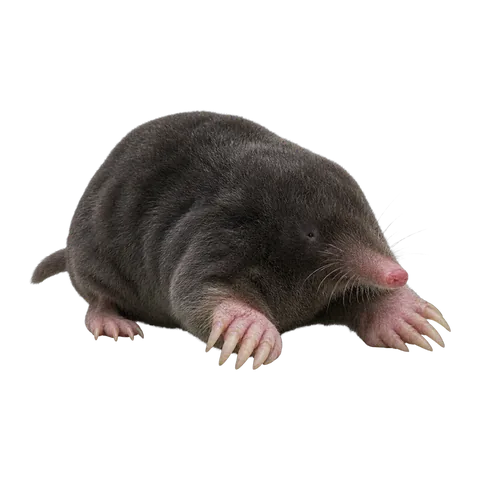
Moles dig all year, but you see more of it when the soil is soft and damp. After a dry summer, earthworms move deeper and moles follow them down, out of sight. When the autumn rain returns, worms come back near the surface and moles dig new tunnels to reach them. Each molehill is spoil pushed up from a tunnel below.
Moles also add to their tunnels before winter, and some build a large nest chamber with a bigger hill above it, sometimes called a fortress. A lawn that was quiet all summer can show a line of fresh hills in a single week.
One mole or many
Moles live alone outside the spring breeding season and defend their own tunnels. A spread of hills across a lawn is often the work of one or two moles, not a large group. A fresh hill has loose, dark soil; an old one has settled, dried out or grown over.
Signs that it is a mole
Other animals dig in lawns in autumn, so check before you act.
- Molehills are neat cones of fine soil with no open hole on top.
- Raised ridges across the lawn are shallow surface tunnels, often in light soil.
- Small scraped holes and turned-back turf point to birds, foxes or badgers feeding on grubs.
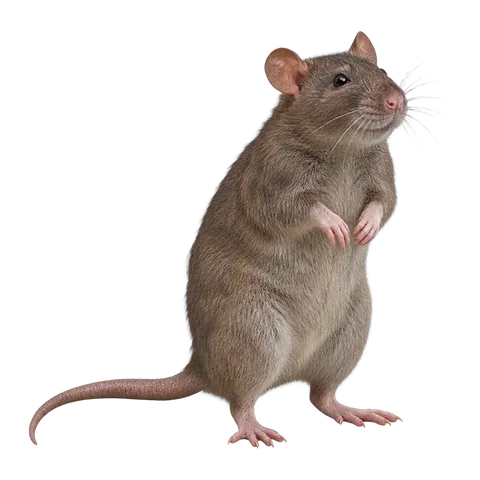
- Open holes with soil spread in a fan at the entrance are more likely to be rats or rabbits.
Dealing with the hills
Molehill soil is fine and free of weeds, and many gardeners use it for potting or top dressing. Rake hills flat when they are dry, so the grass below is not smothered, and reseed bare patches in spring. Roll soft areas once the ground firms up, as surface tunnels can collapse under a mower or a foot.
Mowing over fresh hills spreads soil and can blunt the blades, so clear them first.
Deciding whether to act
Some people live with a mole in a field or a wild part of the garden. Others need it gone from a lawn, a sports pitch, a paddock where horses could trip, or a bed of young plants.
Home remedies such as sonic spikes, scented deterrents and objects pushed into tunnels have mixed results. Moles may move a short way and come back. Strychnine has been banned in the UK since 2006, and poison has no place in mole control.
Moles are not a protected species, but the law protects all wild mammals from cruelty, so any control must be humane. Trapping in the main tunnel is the most reliable method.
When to call a professional
Trapping works best when the trap goes in a main runway, not a short feeding tunnel, and finding the right spot takes practice. Call us if hills keep appearing, if you have tried a trap without success, or if the ground is used by horses, livestock or sport.
Our technicians set traps inside the tunnels, out of reach of children and pets, and most jobs need a few visits over one to two weeks. Quotes are free, there is no call-out charge and a free return visit within 90 days of the last treatment is included.