Why kitchens need their own checks
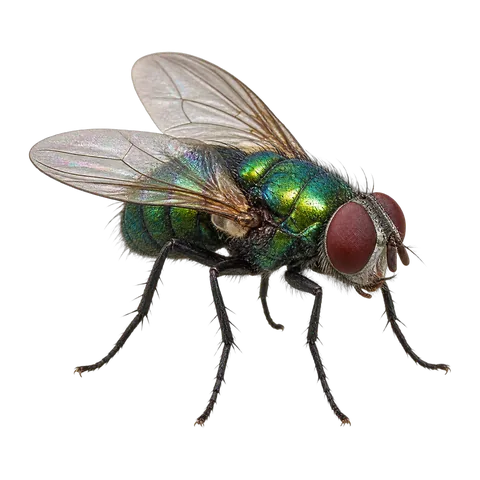
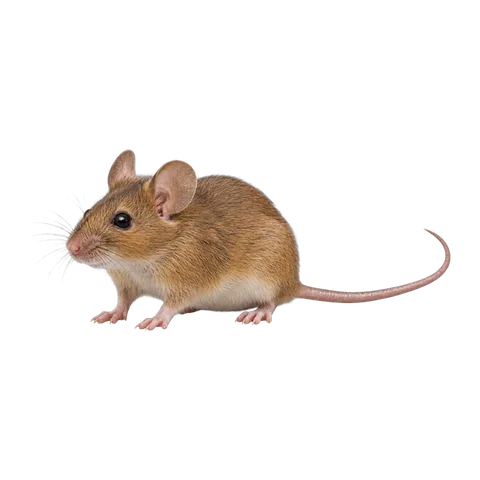
Food businesses must keep their premises free from pests. A pest control contract covers regular visits, but a technician is on site for a short time. Kitchen staff see the building every day, so their checks are often the first warning of mice, cockroaches or flies.
A simple routine, written down and signed off, also gives you something to show an Environmental Health Officer. The lists below are a starting point. Adjust them to your layout.
Every day at close
These checks take a few minutes and fit into the normal close-down.
- Floors swept and mopped under and behind equipment, including the cooker line and fryers.
- No food left out on worktops or in open containers overnight.
- Bins emptied, lids closed and the area around outside bins clear of spilt food.
- Back doors and delivery doors shut and not propped open.
- Any droppings, gnawed packaging or live insects noted in the pest log and reported.
Every week
Pick a slower shift each week to look in the places that do not get checked daily.
- Pull out light equipment and check the floor and wall behind it.
- Look along the backs of dry store shelves for droppings and torn bags.
- Check door seals, brush strips and fly screens for gaps or damage.
- Look inside the dishwasher and glass washer surrounds and under sinks with a torch.
- Clean drain covers and grease traps, and check for flies breeding in them.
- Check that electric fly killer trays are emptied and the units are working.
Every month
Walk round the outside of the building and look for holes around pipes, damaged air bricks and gaps under doors. Check that stored stock is raised off the floor and away from walls so you can see behind it. Rotate dry goods and throw out anything with damaged packaging.
Read through the month's pest log with your contractor's latest visit report. If the same sign keeps appearing in one area, ask for a closer look there.
Checking deliveries
Pests often arrive with stock. Check boxes and sacks for droppings, gnawing, live insects or webbing before they go into storage, and reject anything that shows signs. Break down cardboard and remove it quickly, as cockroaches hide in the folds.
When staff spot something
Ask staff to note where and when they saw it, take a photo and tell the manager on shift. Do not move bait boxes or traps, and do not spray insecticide near food. Cover or remove any food that may have been contaminated and clean the area.
When to call a professional
Call your pest contractor as soon as you find fresh droppings, live insects or gnaw marks, even if it is a single sign. Early action is easier and less disruptive than treating an established problem.
If you do not have a contractor, we offer free quotes and can visit the same or next day. Businesses on contract pay by invoice, and we can work early or late around service.