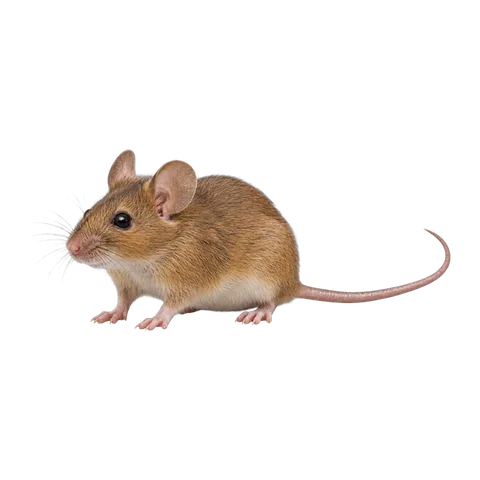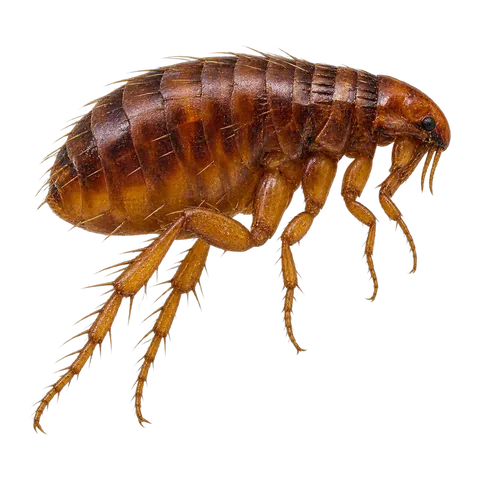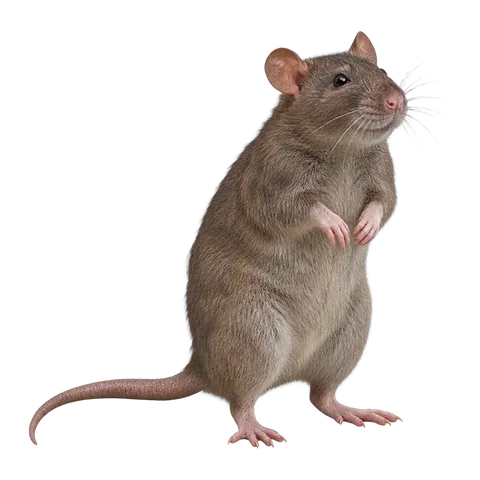
Why rodents choose cars
An engine bay is warm after a drive, dry, and full of small spaces out of sight. A car that sits unused for days on a drive or in a garage gives a mouse or rat a safe place to rest and, sometimes, to nest. Cars parked near hedges, compost bins, bird feeders or farm buildings are at higher risk.
Rodents gnaw to keep their teeth worn down. Under the bonnet, that means wiring, rubber hoses, insulation pads and the foam around the cabin air filter.
Signs under the bonnet
- Shredded paper, leaves, twigs or insulation packed into corners of the engine bay or around the battery.
- Droppings on the engine cover, the battery tray or the floor of the boot.
- Chewed cable sheathing, wires with bare copper showing, or damaged hoses.
- Warning lights on the dashboard that appear suddenly after the car has been standing.
- A musty or rotten smell through the air vents when the fan is on.
- Stored food, such as bird seed or dog biscuits, scattered or hidden inside the car.
What to do if you find damage
Do not drive a car with chewed wiring or hoses until a garage has checked it. A damaged brake or fuel line, or a short in a wire, can be dangerous. Take photos of the damage and the nesting material before anything is cleaned away, as your insurer may ask for them. Some motor policies cover rodent damage and some do not, so it is worth reading yours.
Wear gloves when you remove nesting material and droppings, bag them and wipe the area with disinfectant.
The garage itself
A garage is often the easiest way into a house for rodents. The up-and-over door rarely seals at the bottom, and the shared wall with the house may have gaps around pipes and cables. Inside, garages often hold the things rodents want: bags of bird seed, pet food, grass seed, old cushions and cardboard boxes.
Fit a rubber or brush seal along the bottom of the garage door and check the side door too. Fill gaps around pipes with wire wool and mortar. Move food into metal bins with lids and store other items in sealed plastic boxes up off the floor, so you can see along the walls and spot droppings early.
Keeping the car clear
Use the car regularly if you can, even for a short trip, and open the bonnet now and then to look. Clear leaves from around the windscreen scuttle and keep food out of the cabin. Move bird feeders and compost bins away from where the car is parked.
When to call a professional
If you have found a nest or chewed wiring, rodents are likely living close by, often in the garage or a nearby shed. A technician can find where they are coming from and treat the area with traps or bait in locked boxes, following CRRU stewardship rules, then advise on proofing the garage.
Quotes are free and there is no call-out charge. We aim to visit the same or next day, and if activity returns within 90 days of the last treatment, the return visit is free. You can also send a photo of droppings or damage on WhatsApp for a quick view of what you are dealing with.