Why sheds attract rodents
A shed is dry, rarely disturbed and often full of things rodents can use. Bags of bird seed, grass seed, bulbs and dog biscuits are food. Garden cushions, hessian sacks, cardboard and old rugs make good nests. The space under a timber floor is a sheltered place for rats to burrow.
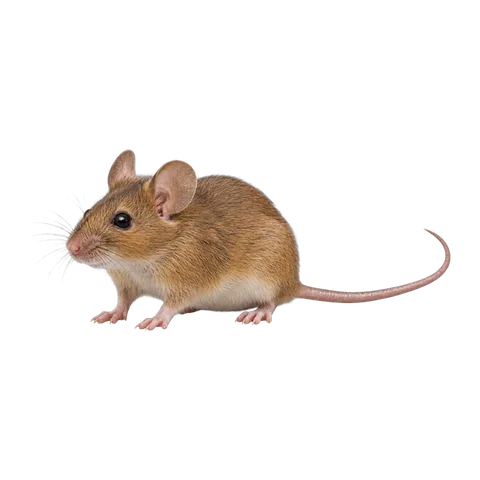
Mice tend to move in and nest among the stored items. Rats more often live under the shed, coming up through gaps in the floor or chewing round the door. Both become more common in sheds from October onwards, as the weather turns and food outside gets scarce.
Signs in and around the shed
Check the shed now and then through autumn and winter, with a torch, looking for these.
- Droppings on shelves, on the floor along the walls and inside boxes. Mouse droppings are the size of a grain of rice; rat droppings are larger, about 1 to 2 cm.
- Seed bags with holes chewed in the bottom corners, and husks scattered around them.
- Shredded cushion filling, paper or fabric gathered into a loose ball.
- Chewed wiring on mowers, strimmers and hedge trimmers.
- Burrows or holes under the shed base, with loose soil and smooth, worn edges.
- A strong smell of ammonia in a closed shed.
Storing things safely
Move all food out of bags and into metal bins with tight lids. Galvanised dustbins work well for bird seed and pet food. Hard plastic tubs are fine for a while, but rats can chew through them.
Keep cushions and fabric in sealed plastic boxes, or bring them into the house for the winter. Clear out cardboard and old sacks. Put tools and stored items on shelves off the floor, so you can see the floor and walls and spot droppings early.
Proofing the shed
Look for daylight from inside with the door shut. Fill small gaps with wire wool and cover larger holes with galvanised mesh fixed with screws. Fit a strip of metal along the bottom of the door if it has been chewed.
Rats often get in from underneath. If the shed sits on bearers with a gap below, you can fix a skirt of galvanised mesh round the base. Dig it into the ground about 30 cm and bend the bottom out in an L shape so rats cannot dig under it. Sheds on a solid concrete or paved base are much harder for rats to get into.
Wear gloves when you clear a shed, and dampen droppings with disinfectant before wiping them up. Do not sweep them dry, as that raises dust.
Traps in a shed
Snap traps along the walls near droppings work well for mice and rats. Set them inside a box or a covered tunnel so pets and wild birds cannot reach them. Check them every day. Glue traps need a licence in England and are banned in Wales and Scotland, so leave them out of any plan.
When to call a professional
Call us if you see rats, find burrows under the shed, or keep finding fresh droppings after a couple of weeks of trapping. Rats under a shed are often part of a larger problem in the garden, near a compost bin, decking or a broken drain. We can find where they are living, treat them using locked bait boxes under CRRU rules and show you which gaps to close.
Quotes are free, there is no call-out charge and we aim to visit on the same or next day. Pest treatments include a free return visit within 90 days of the last treatment if the rodents come back.