What changes in the nest
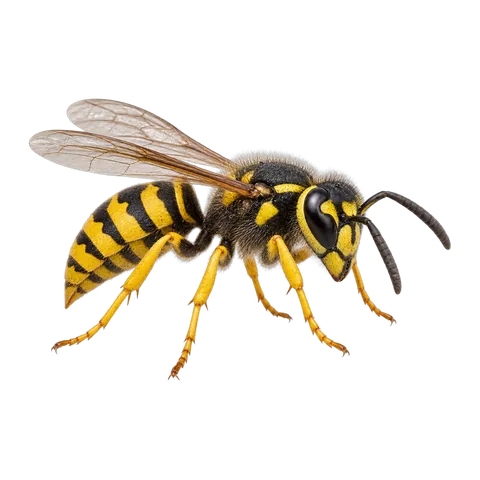
A wasp nest starts in spring with one queen. Through early summer, workers spend their time catching insects to feed the grubs, and in return the grubs give off a sugary liquid the workers feed on. The nest grows all summer and can be at its largest in August and September.
Late in the season, the queen stops laying worker eggs and the nest raises new queens and males. With fewer grubs to feed, the workers lose their supply of sugar and go looking for it elsewhere. That is when they turn up at picnics, bins, drinks and fallen fruit, and when they seem most bad-tempered.
Eating outdoors with fewer wasps
You cannot stop wasps finding food, but you can give them less reason to stay.
- Cover food and drinks, and use cups with lids or straws so a wasp cannot crawl inside a can.
- Clear plates and spills soon after eating.
- Keep bins closed and away from where you sit.
- Pick up fallen fruit under apple and plum trees.
- Move slowly if a wasp lands near you. Swatting makes stings more likely.
- Check children's drinks and sweets before they take a mouthful.
Finding the nest
If you see a steady stream of wasps going in and out of the same spot, you have found a nest. Common places are lofts, roof eaves, air bricks, wall cavities, sheds, bird boxes, hedges and holes in the ground. In late summer, a nest in a loft may be the size of a football or larger.
Do not block the entrance or try to knock the nest down. Wasps trapped inside a wall or loft can chew through into a room, and a disturbed nest can send many wasps out at once.
Wasps, bees and hornets
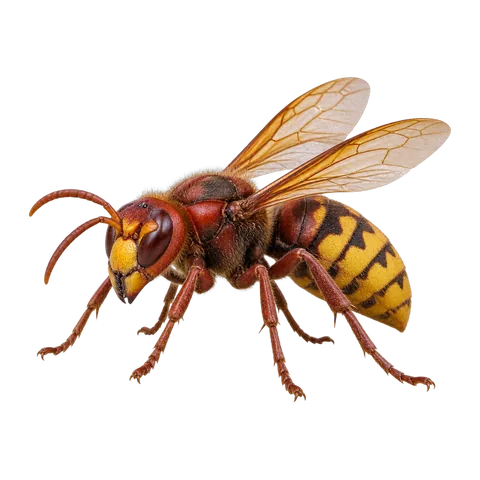
Honey bees and bumblebees are not destroyed, as they matter for pollination. A beekeeper can often collect a honey bee swarm, and bumblebee nests usually die out by themselves by late summer. European hornets are larger, brown and yellow, and calmer than wasps.
If you think you have seen an Asian hornet, which is dark with a mostly black body and yellow legs, report it to the NNSS through the Asian Hornet Watch app with a photo if you can.
What happens in autumn
Wasp nests die off in autumn. The workers and the old queen die, and only the new queens survive by hibernating in sheltered places such as lofts, sheds and window frames. Nests are not reused the following year, so an empty nest found in winter is no risk and can be left or removed.
If a nest is out of the way and nobody in the house is allergic, you can choose to leave it until it dies off.
When to call a professional
Call us if a nest is near a door, window, path or play area, inside the house, or if anyone in the home has had a bad reaction to a sting. Anyone with swelling of the face or throat, or trouble breathing, after a sting needs to call 999.
We treat wasp nests from the outside where we can, usually in one visit, and aim to come the same or next day. If the nest is still active 7 days after treatment, we come back free of charge. Quotes are free and there is no call-out charge.