
Why mites appear when birds leave
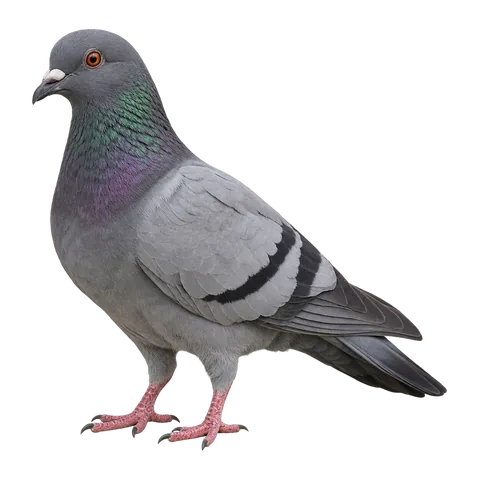
Bird mites live in the nests of birds such as pigeons, starlings and sparrows. While the nest is full of chicks, the mites have plenty to feed on and their numbers grow fast. When the young birds fledge, the food runs out. The mites spread out from the nest, and if it is in a roof, wall cavity or vent, some of them find their way into the house.
This is why people often notice mites suddenly, in late spring, summer or early autumn, a few days after the birds have gone quiet.
What they look like
Bird mites are under 1 mm long, pale grey or white, and turn reddish after feeding. They look like moving specks of dust. You may see them on walls and ceilings near a vent, on window frames, around a loft hatch or on bedding near an outside wall.
Bites and similar pests
Bird mites bite people and leave small, itchy red marks. They cannot breed on humans and die within a few weeks without birds to feed on.
Bed bugs are larger, about the size of an apple seed, and leave dark spots on mattresses. Scabies is caused by a different mite that lives in the skin and needs treatment from a GP or pharmacist. If the itching is bad or will not settle, speak to a pharmacist or your GP.
Finding the nest
Look outside for where birds have been going in and out. Common places include these.
- Gaps under roof tiles and along the eaves.
- Broken or missing soffits and fascias.
- Air bricks, extractor fan outlets and boiler flue gaps.
- Behind solar panels.
- Chimney pots and the top of the stack.
Dealing with the source
Wild birds and their nests are protected by law while the nest is in use. Do not remove a nest with eggs or young in it. Once the birds have left and the nest is no longer in use, it can be removed and the area cleaned and treated for mites.
Indoors, vacuum mites from walls, skirting and soft furnishings, and empty the vacuum outside. Wash bedding on a hot cycle. Seal gaps around the vent or loft hatch where they are coming through with tape or filler for now. These steps ease the bites, but the mites keep coming until the nest is gone.
Stopping it happening again
Once the nest is out, close the gap the birds used. Mesh over vents and air bricks, comb or brush fillers under tiles, and netting or mesh behind solar panels all keep birds out without harming them. Proofing is best done outside the nesting season, from late summer to early spring.
When to call a professional
Call us if you are being bitten and think there is a nest in the roof or walls, or if birds nest in the same place every year. We will check whether the nest is still in use, remove it once it is legal to do so, treat the area for mites and quote for proofing.
Quotes are free and there is no call-out charge. If you are unsure what is biting, send us a photo of the specks or the area on WhatsApp.