Where bumblebees nest in gardens
From spring into summer, bumblebee queens look for dry, sheltered hollows. In gardens that often means the space under a shed or decking, an old mouse hole in a lawn or bank, a compost heap, a pile of grass cuttings or a bird box. The tree bumblebee, with its ginger middle and white tail, likes bird boxes and spaces under roof tiles and in soffits.
Most people notice a nest because bees fly in and out of the same small gap all day. A bumblebee nest is far smaller than a wasp nest, usually a few dozen to a few hundred bees.
Why we leave bumblebees alone
Bumblebees are important pollinators, and several UK species are in decline. They are gentle and sting only if the nest is squashed or handled. We do not kill bumblebees, and there is rarely a need, because the nest ends on its own.
A colony lasts a few months. By late summer the new queens have left to find a place to spend the winter, the old queen and workers die, and the nest is empty. The same spot is not reused the next year, although a new queen may choose a site nearby.
Living with the nest for a few weeks
Small changes to how you use the garden are usually enough.
- Keep the lawnmower and strimmer away from a nest in the grass. Mark the spot with a cane so nobody forgets.
- Do not block the entrance. Trapped bees look for another way out, sometimes into the house or shed.
- Leave the compost heap or grass pile undisturbed until the nest has finished.
- Teach children to walk past calmly and not poke the entrance.
- Keep dogs from digging at the gap, as this is the most common way people and pets get stung.
- If the nest is in a bird box near a door or window, keep that window shut while the bees are busy.
Bees buzzing around a bird box
In early summer you may see a small cloud of tree bumblebees circling outside a bird box or roof gap. These are usually males waiting for new queens to come out. Male bumblebees cannot sting, and the activity dies down within a couple of weeks.
When moving a nest makes sense
Sometimes a nest is in a bad place, for example beside a door used by someone with a bee sting allergy, or under a step that has to be repaired. In those cases, a local beekeeper or a bee charity may be able to advise on moving it. Nests in boxes are the easiest to move, and the move is done after dark when the bees are inside.
Moving a nest in the ground or under a structure is harder and often not possible without breaking it up. If the work can wait until late summer, that is usually the better choice.
When to call a professional
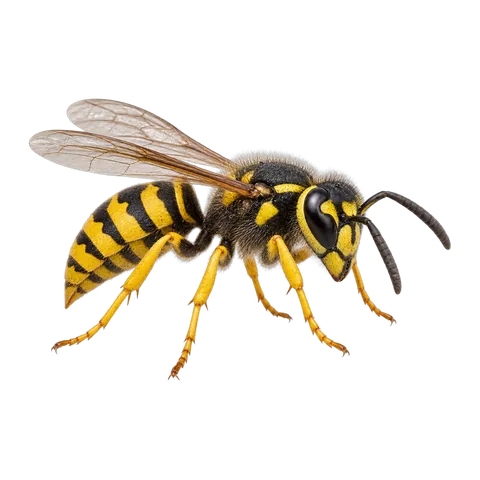
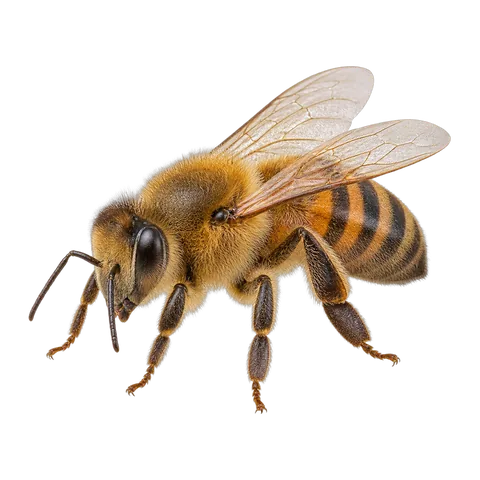
Call us if you are not sure if you have bumblebees, honey bees or wasps. Wasp nests can be treated, but bees are not. A photo sent on WhatsApp is often enough for us to tell you which it is and what to do next.
If it is a bumblebee nest, we will usually advise leaving it, and point you to a beekeeper if it needs moving. Advice and quotes are free, with no call-out charge.