
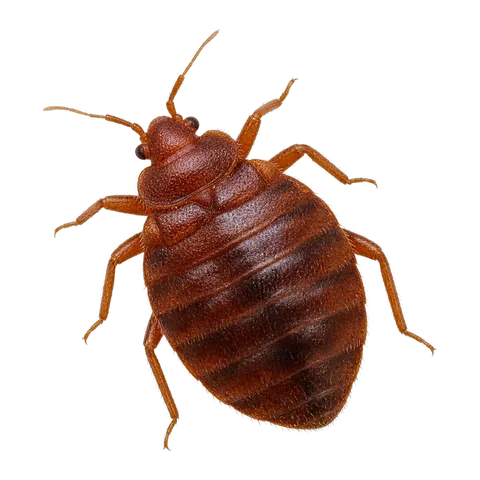
How bed bugs reach care homes
Bed bugs reach care homes on people and their belongings. Having them says nothing about the standard of care. What matters is finding them early and handling them well. Common routes in include:
- Furniture, bedding and clothes brought in by a new resident.
- Bags and coats belonging to visitors, agency staff and contractors.
- Residents coming back from a hospital stay or a visit to family.
- Second-hand or donated furniture, especially upholstered chairs.
Signs staff should look for
Residents may not notice or mention bites. Some have dementia or reduced feeling in the skin, some spend long hours in bed or in a chair, and some would not want to complain. Staff are often the first to notice, during personal care and bed-making. Anything found should go to the manager on duty and be recorded in the same way as other concerns about a resident's skin. Signs to watch for:
- Small blood spots or dark marks on sheets, pillowcases and nightwear.
- Bites or itchy red marks in lines or clusters, often on the arms, neck, shoulders and legs.
- Live insects, pale shed skins or tiny white eggs in mattress seams, pressure mattress covers, bed rails and the joints of profiling beds.
- The same signs on recliners and armchairs where residents rest during the day.
Training and routine checks
A short session with photos helps care, housekeeping and laundry staff recognise bed bugs and know what to do. Give them a clear procedure: leave the bed and furniture in place, take a photo, close the door and report it. Bedding that has to come off should be bagged in the room and taken straight to the laundry for a hot wash.
Add a quick look at mattress seams and bed frames to routine bed-making, and check a new resident's room once their belongings have settled in. Furniture that families bring in should be looked over before it goes into a room.
Residents' dignity and room moves
Finding bed bugs can upset a resident and their family. Explain what has happened in plain terms, make clear it is no reflection on the resident, and agree any changes with them and, where appropriate, their family or representative. Keep these conversations private, and avoid naming the room or the resident in front of others.
The room is the resident's home, so where a move is needed for treatment, plan it as a short stay in a spare or respite room that does not share a wall with the affected one, or a day in the lounge during a heat treatment. Let them keep familiar items once those have been checked, and help them back into their own room as soon as it is clear.
Discreet treatment and records
Treatment can fit around the home's routine. We can arrive in an unmarked van on request and work one room at a time. Heat treatment clears a room of bed bugs and eggs in a day with no insecticide on the bed or chairs, which suits frail residents and those with breathing problems. Medicines, hearing aids, continence products and other heat-sensitive items come out of the room first. A spray treatment takes two visits about two weeks apart, with the room kept empty until it dries.
Keep a written record of each report, inspection and treatment, with the room, the date and what was found, and file our report for each room with it. Good records show inspectors and families what you did.
When to call a professional
Call as soon as staff find live insects, eggs or dark spots, or a resident has bites that are hard to explain. A detection dog can search the affected room and the rooms around it in one visit, so only those that need it are treated. We aim to visit the same or next day, and homes on a contract pay by invoice. If bed bugs come back within 90 days of the last treatment, the return visit is free.