
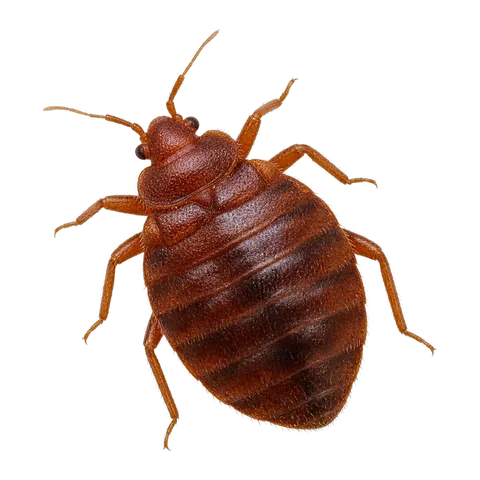
Why hotels get bed bugs
Bed bugs travel in luggage, coats and bags, so the risk grows with the number of people passing through and applies to hotels of every standard. A single guest can bring them in, and from that room they can spread to the rooms on either side, above and below through gaps around pipes, cables and skirting boards. The aim is to find bed bugs while they are still in one room and stop them there.
Room checks by housekeeping
Housekeeping staff see every bed between stays and are best placed to spot bed bugs early. A short check at each change of bed linen takes a few minutes. Fuller inspections, with the headboard taken off the wall, can run on a rota through the building.
Mattress encasements, luggage racks placed away from the bed and headboards that can be lifted off the wall all make checks quicker and leave bed bugs fewer places to hide. Each routine check should cover:
- Mattress seams, piping and labels, especially at the head end.
- The top of the divan base and the corners where the mattress sits.
- The back and edges of the headboard, and the wall behind it.
- Bedside tables, luggage racks and the edge of the carpet near the bed.
- Sheets and pillowcases, for small blood spots or dark marks.
Training staff
Everyone who goes into rooms should know what bed bugs, their eggs and their droppings look like, and what to do if they find them. A short session with photos and a demonstration on a mattress is usually enough, repeated for new starters. Front desk staff need it too, as they are often the first to hear a complaint.
Give staff a simple procedure: stop work in the room, leave the bed made and the furniture where it is, take a photo, close the door and tell the duty manager. Stripping the bed and carrying linen down the corridor can spread bed bugs to other rooms and to the laundry.
Handling a guest complaint
Take every report of bites or insects seriously, and stay calm and polite with the guest. Move them to a room that is not next to, above or below the affected one, and offer to put their clothes through a hot wash or a hot tumble dryer. Check their luggage before it goes into the new room.
Block the reported room in the booking system straight away and keep it out of use until it has been treated and checked. A detection dog can search that room and the rooms around it in one visit, which shows how far the problem has spread and which rooms can stay on sale.
Discreet treatment and records
Treatment can fit around the business. We can arrive in an unmarked van on request and work in rooms that are out of use, with nothing on the door. Heat treatment clears a room of bed bugs and eggs in one day, so it can go back on sale quickly. A spray treatment needs two visits about two weeks apart.
Keep a written log of every complaint, inspection and treatment, with room numbers, dates and what was found, and file our report for each room treated with it. Good records show patterns, such as repeat problems in one wing, and let you show guests, insurers and inspectors what you did.
When to call a professional
Call as soon as a guest reports bites or staff find a live insect, eggs or dark spots, as one room is far easier to treat than a corridor. You can WhatsApp a photo for a fast view on what has been found, and we aim to visit the same or next day. Hotels on a contract pay by invoice and can book regular detection searches alongside treatments.