
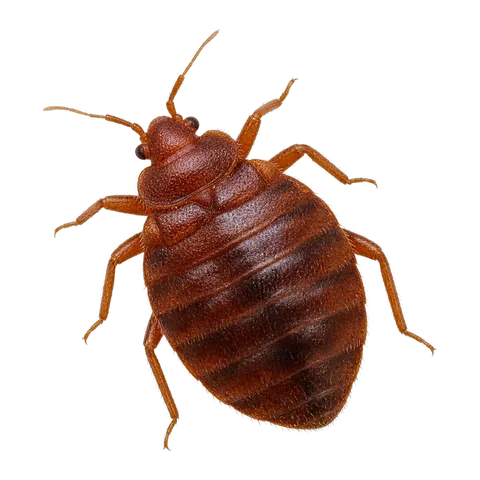
Why hostels are at risk
Hostels see a steady flow of travellers, many on long trips with backpacks that have been through other hostels, trains and coaches. Dorms put many beds in one room, guests keep bags on or beside the bed, and beds change hands most nights. All of this gives bed bugs plenty of chances to arrive and spread, and any hostel can get them, however well it is run.
Checking bunks and dorms
Bunk beds have more joints and hiding places than an ordinary bed, so checks need to cover the frame as well as the mattress. Metal frames with few joints, mattress encasements and lockers set a little away from the beds make checks quicker and leave bed bugs fewer places to hide. At each bed change, staff should look at:
- Mattress seams, piping, labels and any tears in the cover.
- Bolt holes, joints and slats on the bunk frame, and the underside of the top bunk.
- Ladders, privacy curtains and any shelves, lights or hooks fixed to the bunk.
- Lockers, and the floor and skirting next to the beds.
- Sheets and pillowcases, for blood spots and dark marks.
Luggage and laundry
Most bed bugs arrive in bags, so a luggage policy helps. Ask guests to keep backpacks in lockers or on racks off the bed, and keep bags off mattresses. A luggage store at reception for early arrivals and late check-outs keeps bags out of the dorms altogether.
A hot tumble dryer is the quickest way to treat clothes and soft items. Offering a free dryer cycle to any guest who reports bites, or who has come from a place with bed bugs, costs little and stops bugs moving on with their clothes.
Taking a dorm out of use
When bed bugs are found or reported, close the whole dorm, as bugs move quickly between bunks in one room. Where you can, move guests to a dorm that does not share a wall, floor or ceiling with the affected one, and offer to tumble dry their clothes and check their bags first.
It helps to plan for this in advance. Keeping a dorm or private room spare at quiet times, and knowing which rooms share walls, lets you rotate a dorm out of use without turning guests away. Check the dorms next to, above and below the affected one, or have a detection dog search them, before deciding which ones need treating.
Discreet treatment and records
Treatment works best when the whole dorm is done at once: beds, lockers, curtains and skirting together. Heat treatment clears a dorm of bed bugs and eggs in a day, which suits hostels that need beds back quickly. A spray treatment takes two visits about two weeks apart. We can arrive in an unmarked van on request and work while the dorm is closed, so other guests are not disturbed.
Keep a simple log of each report, check and treatment, with the dorm and bed number and the date. Over a season it shows where problems keep starting, and it gives you a clear answer when a guest, a booking site or an inspector asks what you did.
When to call a professional
Call as soon as staff find live bugs, eggs or dark spots, or a guest shows bites they believe came from your beds. Acting the same day keeps the problem to one dorm. We aim to visit the same or next day, and you can send a photo on WhatsApp first if you are not sure what staff have found. Hostels on a contract pay by invoice and can add detection searches at busy times of year.