
At a glance
- What it looks like
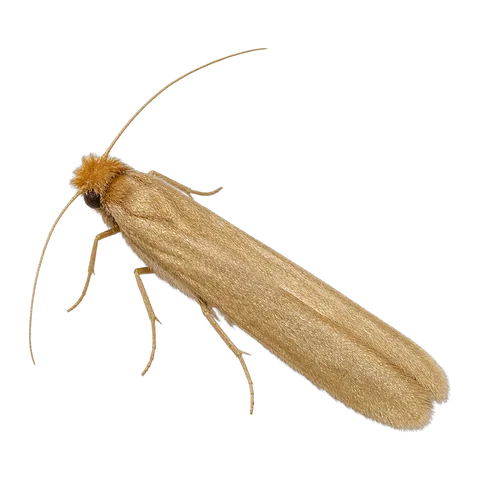
- The Indian meal moth is 8 to 10 mm long with two-tone wings, pale cream near the body and copper-brown towards the tips. The larvae are off-white with a brown head and leave silk webbing in food.
- Where you find it
- In kitchen cupboards and food stores, in flour, cereals, nuts, dried fruit, pet food and bird seed. In a warm kitchen they breed all year.
- Is it harmful?
- They are not dangerous, but they spoil food with webbing, droppings and larvae.
- What to do
- Throw away infested food, vacuum and wipe the cupboards, and keep dry food in sealed containers. Pheromone traps show whether moths are still about.
Life cycle
Females lay eggs on or near dry food, and the larvae feed inside packets, leaving silk threads and clumps behind them. When fully grown, many larvae leave the food and crawl up walls or into the corners of cupboards to pupate. In a warm kitchen the whole cycle can take only a few weeks, so numbers build quickly.
Pantry moths or clothes moths
Pantry moths have two-tone wings, stay near food and often fly in the evening. Clothes moths are smaller and plainer and keep to wardrobes, carpets and stored fabrics. Moths in the kitchen point to a food source, and moths in the bedroom point to fabric.
Keeping cupboards clear
Many infestations start in a packet brought home from the shop, so check flour, rice, nuts and bird seed when you open them. Store dry food in jars or containers with tight lids, and use older food first. Every few months, empty a cupboard, vacuum the corners and shelf-peg holes, and wipe it down.
Questions about pantry moths
Where do pantry moths come from?
Most arrive as eggs or young larvae in packets of dry food, pet food or bird seed. They then spread to other open food in the cupboard.
Is it safe to eat food that had moths in it?
It is best to throw it away. The larvae leave webbing and droppings, and the food will not keep well.